FEATURED ARTICLE
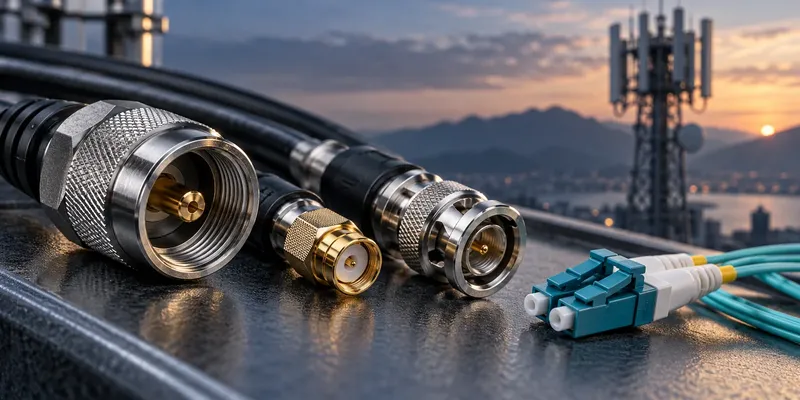
Telecom Connector Selection: RF, Fiber, Data and Power
Choose telecom connectors by RF performance, fiber interface, signal integrity, power loading and outdoor installation requirements.
Read More →
Expert insights, guides, and engineering resources to help you design reliable connections for any application.
Choose telecom connectors by RF performance, fiber interface, signal integrity, power loading and outdoor installation requirements.
Read More →
Choose telecom connectors by RF performance, fiber interface, signal integrity, power loading and outdoor installation requirements.
Read More →
Build a connector second-source plan with interface checks, electrical validation, production trials and clear approval controls for alternative parts.
Read More →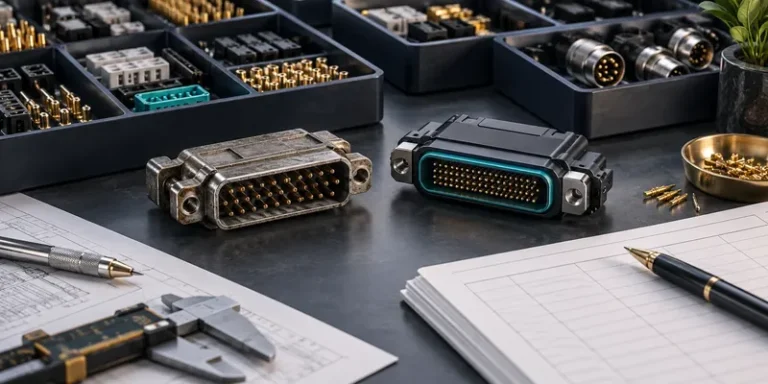
Plan connector last-time buys with net demand, stock checks, storage controls and a qualified replacement strategy to reduce production disruption.
Read More →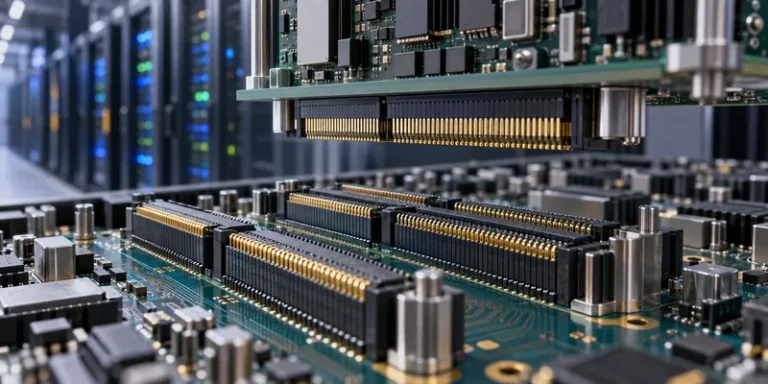
Select server backplane connectors by interface, channel performance, power, mechanical tolerances and validation requirements for reliable integration.
Read More →
Learn how to prevent connector corrosion with suitable contact plating, environmental seals, material selection and application-specific validation.
Read More →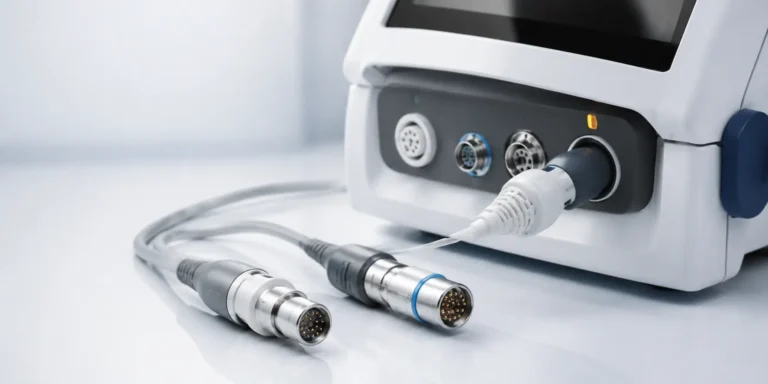
A practical guide to medical connector selection for patient cables, surgical tools, imaging systems, wearables, and test fixtures.
Read More →
Compare M12 A-, B-, C-, D-, X-, S-, T-, and K-coded connectors, common pinouts, cable exits, termination styles, and industrial applications.
Read More →
Select heavy-duty rectangular connectors by insert type, current, contact density, housing, locking method, sealing, and industrial application.
Read More →
A practical guide to CCS, CHAdeMO, SAE J3400/NACS, GB/T, contact heating, cooling, sensing, and EV charging connector compliance.
Read More →