FEATURED ARTICLE
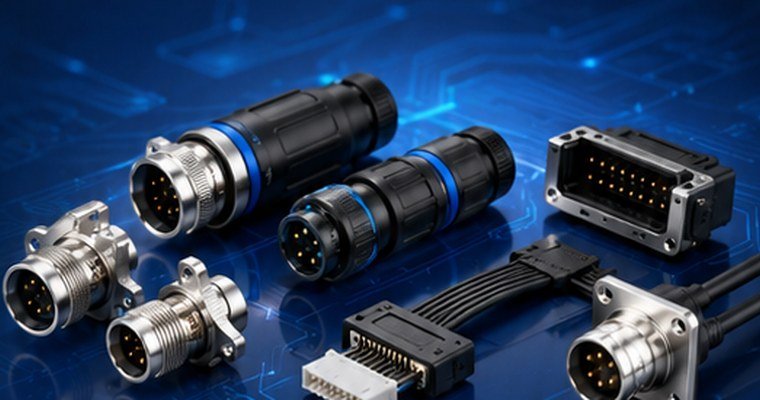
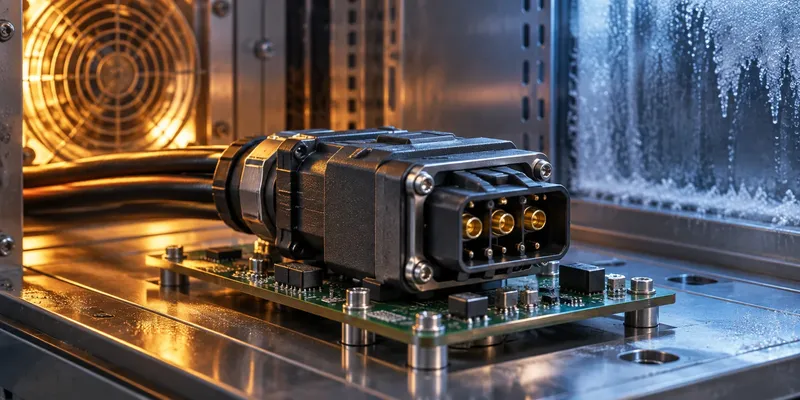
Connector Temperature Ratings: Derating and Material Limits
Understand connector operating temperature, current derating and solder-process limits, and learn which evidence to request before selecting a part.
Read More →
Articles covering terminal block selection, connection technology, ratings, certifications, materials, PCB mounting and industrial applications.
Understand connector operating temperature, current derating and solder-process limits, and learn which evidence to request before selecting a part.
Read More →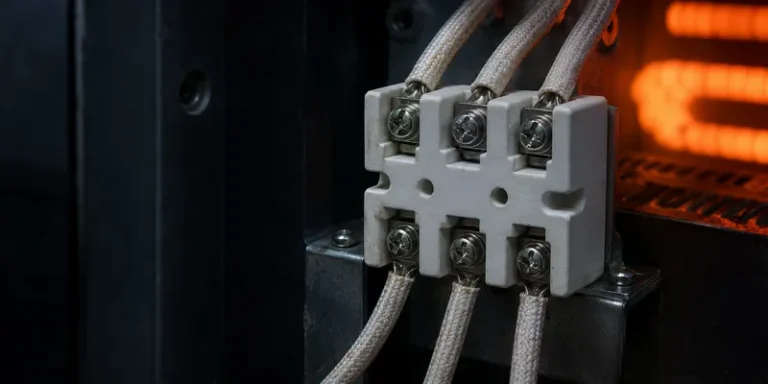
Compare ceramic, PA66, PBT, PPS, PEEK and thermoset terminal materials for ovens, heaters, furnaces and industrial high-temperature wiring.
Read More →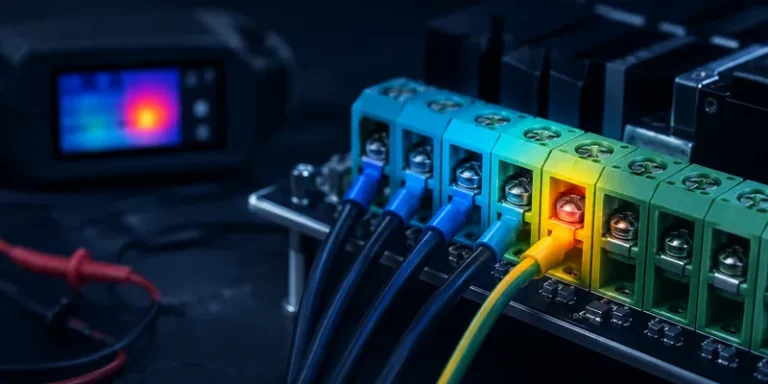
Learn how conductor size, ambient temperature, grouping, PCB layout and approvals affect terminal block current rating—and how to validate a safe design.
Read More →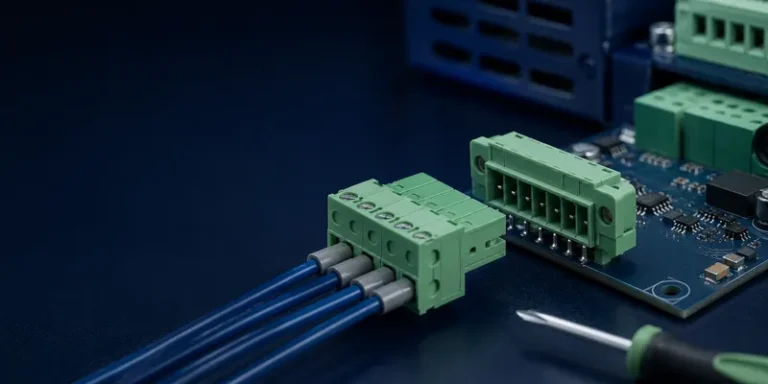
Choose pluggable terminal blocks by pitch, current, wire entry, retention, keying, mating cycles and PCB layout for serviceable industrial equipment.
Read More →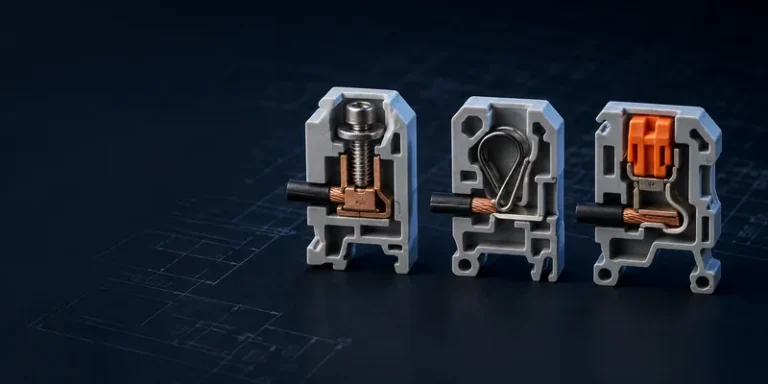
Compare screw, spring-clamp and push-in terminal blocks by wiring speed, vibration, conductor type, maintenance, cost and application.
Read More →
Compare UL 1059 and IEC 60947-7-1 terminal block approvals, ratings, markings and selection steps for North American and international equipment.
Read More →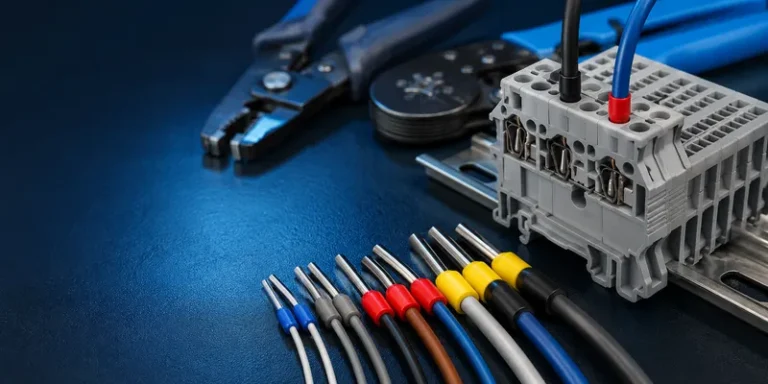
Choose the correct terminal block for solid, stranded and ferruled conductors. Compare AWG and mm², strip length, ferrules and twin-wire rules.
Read More →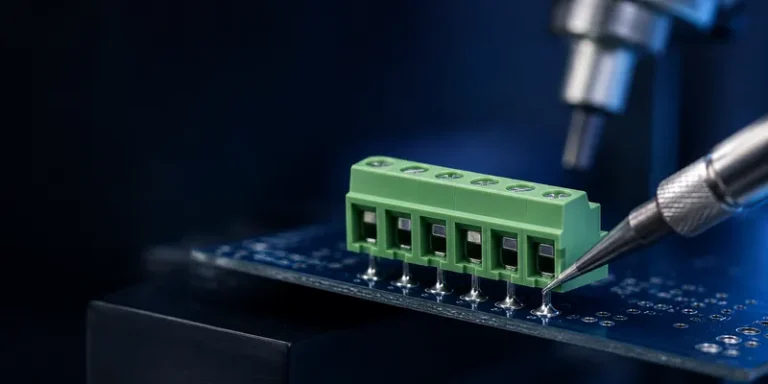
Compare through-hole, selective, pin-in-paste THR and SMT soldering for PCB terminal blocks, with process checks and common defect fixes.
Read More →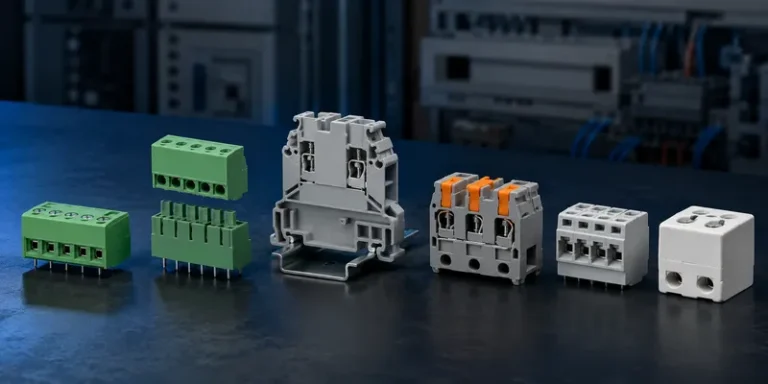
Select terminal blocks by connection type, conductor, current, voltage, pitch, mounting, environment and approvals with a practical engineering checklist.
Read More →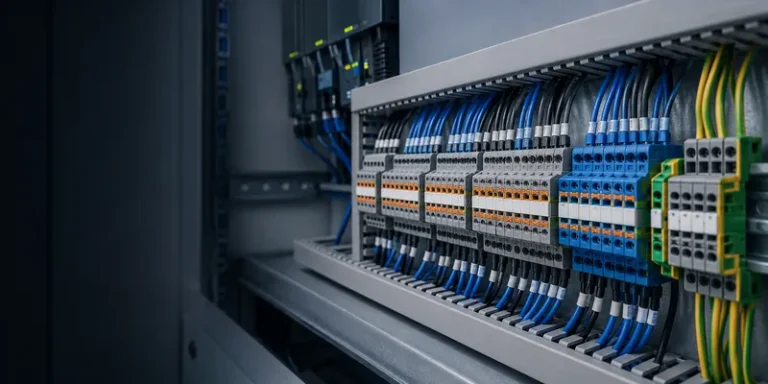
Plan terminal blocks for PLC I/O, sensors, motor circuits, PE, fused circuits and power distribution in industrial control cabinets.
Read More →