
Cable Assembly Best Practices for Maximum Reliability
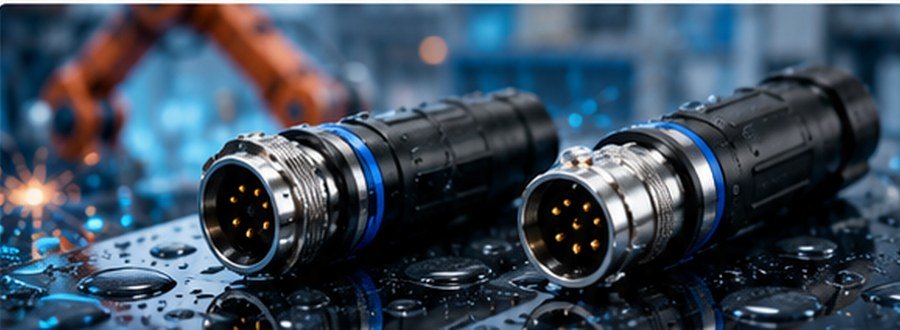
In industrial environments, equipment is often exposed to moisture, dust, chemicals, and extreme conditions. Choosing the right waterproof connector is critical to ensure reliable performance, minimize downtime, and extend the life of your systems.
1. Understand Your Environment
Identify where and how the connector will be used. Different environments demand different protection levels.
Rain, splashes, or full submersion.
Dusty factories and outdoor installations.
High/low temperatures and thermal cycling.
Exposure to oils, acids, or cleaning agents.
2. Choose the Right IP Rating
The IP rating defines how well a connector protects against solids and liquids.
| IP Rating | Protection Against Solids | Protection Against Liquids | Typical Applications |
|---|---|---|---|
| IP67 | Dust-tight | Immersion up to 1m for 30 min | Outdoor equipment, sensors, control systems |
| IP68 | Dust-tight | Continuous immersion beyond 1m | Underwater devices, marine systems |
| IP69K | Dust-tight | High-pressure, high-temperature water jets | Food & beverage, washdown areas |
3. Select the Right Connector Type
Circular Connectors
Robust and compact, ideal for harsh industrial environments.
Inline Connectors
Easy inline installation, perfect for cable extensions.
Panel Mount Connectors
Secure panel installation for equipment enclosures.
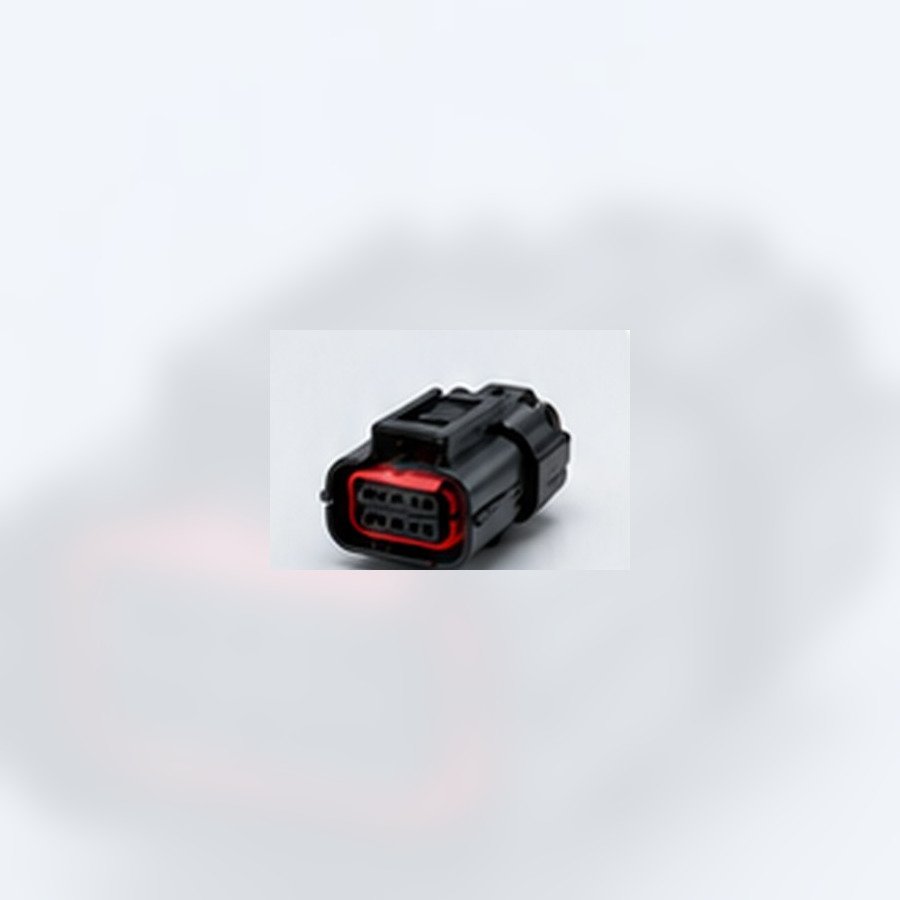
Automotive Connectors
High vibration resistance for mobile equipment.
4. Key Selection Factors
- Current & Voltage Rating — ensure the connector can handle your requirements.
- Number of Pins & Signal Type — match pin count and signal type.
- Cable Compatibility — verify cable diameter, AWG range, and termination method.
- Durability & Materials — look for corrosion-resistant materials and sealing components.
- Certification & Standards — RoHS, REACH, UL, and industry-specific requirements.
5. Best Practices for Reliable Performance
- Use connectors within specified ratings and limits.
- Ensure proper installation and tightening of components.
- Inspect connectors for wear, corrosion, or seal damage.
- Use protective caps when connectors are not in use.
- Choose reputable manufacturers with proven quality support.