
FEATURED ARTICLE
DC Jack Selection Guide: Barrel Sizes, Polarity and Current Rating
Barrel jack sizes, the 2.1 versus 2.5 mm trap, centre polarity conventions, switching contacts, and when USB-C PD is the better answer.
Read More →
Expert insights, guides, and engineering resources to help you design reliable connections for any application.
Barrel jack sizes, the 2.1 versus 2.5 mm trap, centre polarity conventions, switching contacts, and when USB-C PD is the better answer.
Read More →
Barrel jack sizes, the 2.1 versus 2.5 mm trap, centre polarity conventions, switching contacts, and when USB-C PD is the better answer.
Read More →
TRS versus TRRS, CTIA versus OMTP wiring, detection switches that tell a headset from headphones, and the mechanical details that prevent scratchy jacks.
Read More →
Why a single-row socket caps you at UHS-I speeds, how SD Express uses the second contact row, and how to pick an ejector that survives the product.
Read More →
How to choose between 2FF, 3FF and 4FF SIM sockets: contact count, ejector mechanisms, contact force limits, and what eSIM actually changes.
Read More →
Power distribution systems live or die by the quality of two components working together: the connector that carries the current, and the fuse that protects it. Specifying premium industrial connectors without pairing them with proper overcurrent protection is a common design mistake that costs industrial customers millions in unplanned downtime and equipment damage each year. […]
Read More →
Understand connector operating temperature, current derating and solder-process limits, and learn which evidence to request before selecting a part.
Read More →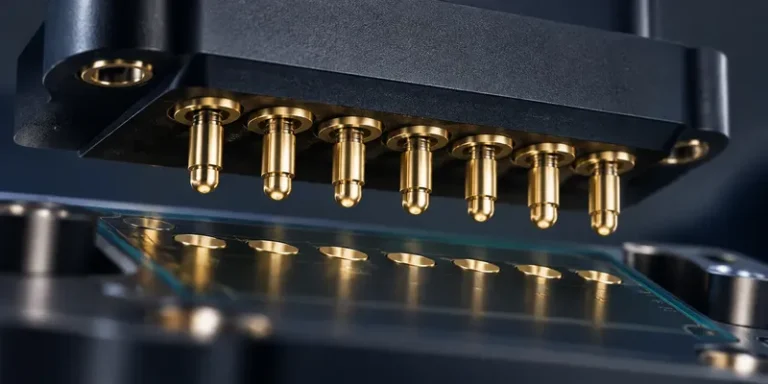
Design reliable pogo pin interfaces by checking working travel, tolerance stack-up, contact force, current, mating pads and cycle-life evidence.
Read More →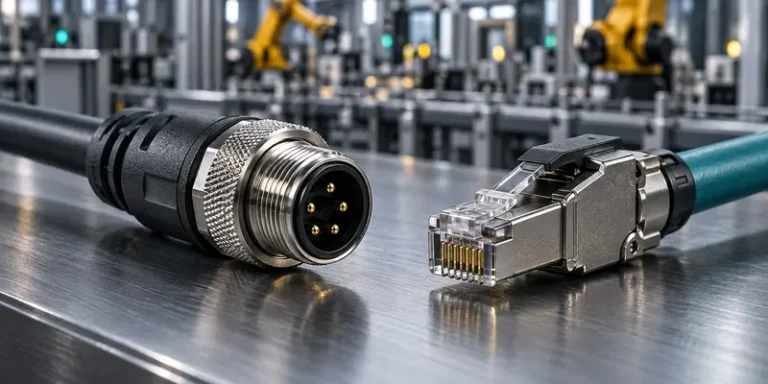
Compare RJ45, M12 D-coded, M12 X-coded and Ethernet-specific M8 interfaces by speed, environment, cabling and installation needs.
Read More →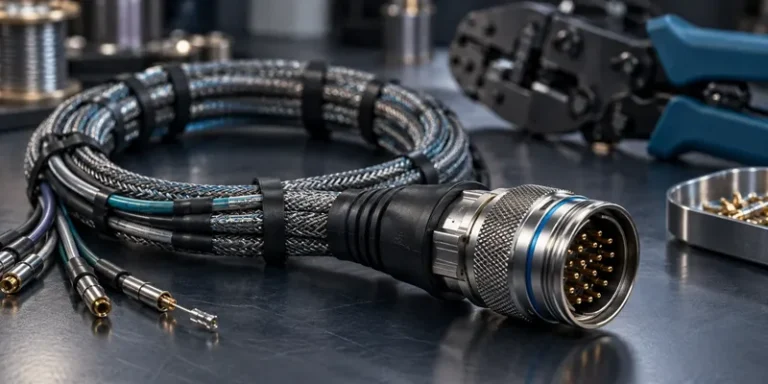
Improve cable assembly reliability with controlled wire preparation, validated crimps, strain relief, shield termination and a defined test plan.
Read More →