FEATURED ARTICLE
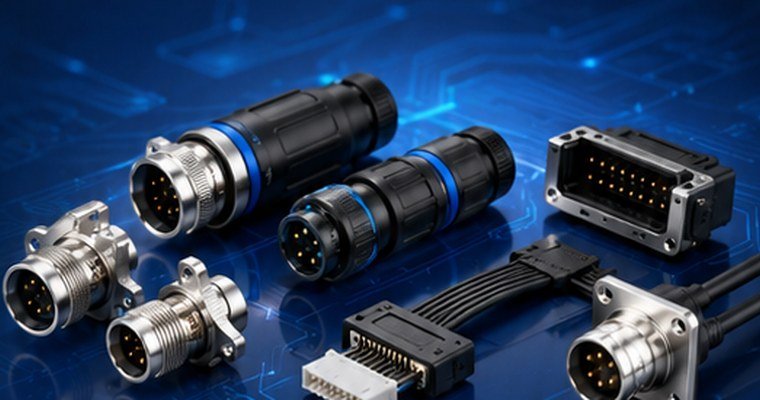
Connector Second Sourcing: How to Qualify Alternatives
Build a connector second-source plan with interface checks, electrical validation, production trials and clear approval controls for alternative parts.
Read More →
Expert insights, guides, and engineering resources to help you design reliable connections for any application.
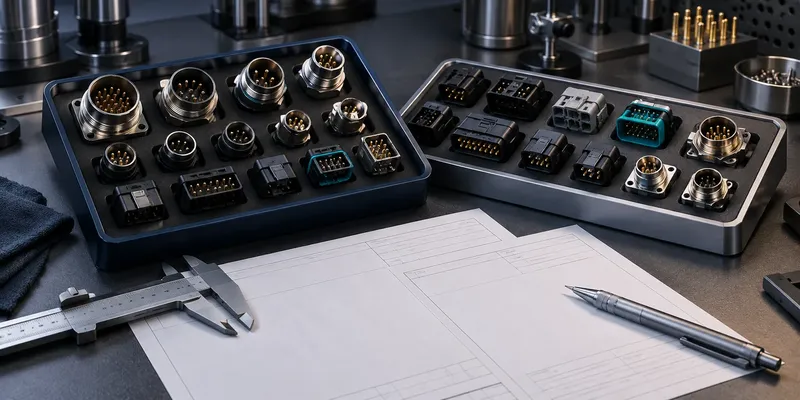
Build a connector second-source plan with interface checks, electrical validation, production trials and clear approval controls for alternative parts.
Read More →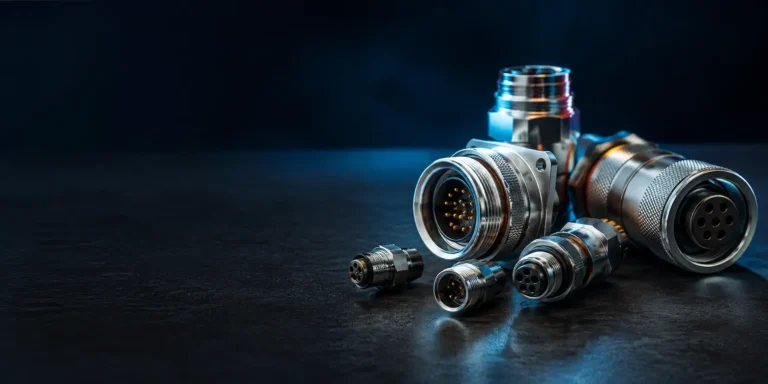
Compare M8, M12, M23, MIL-style, and Deutsch-style circular connectors by size, locking method, sealing, signal type, and application.
Read More →
Select connectors for solar PV, wind turbines, offshore systems, battery racks, and energy storage by voltage, current, sealing, materials, and service life.
Read More →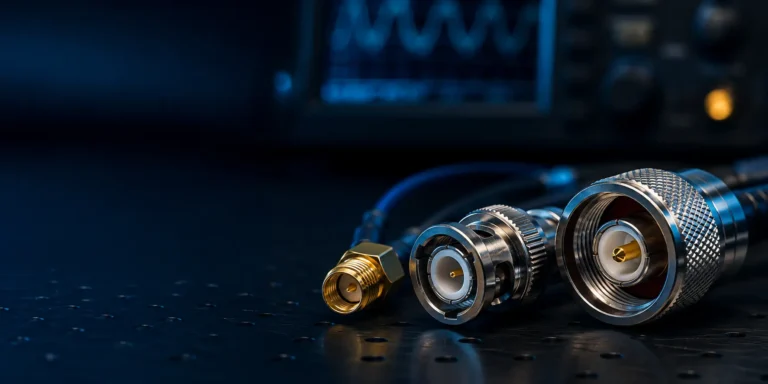
Compare common RF coaxial connectors by impedance, frequency, coupling, size, power, sealing, PCB launch, VSWR, and insertion loss.
Read More →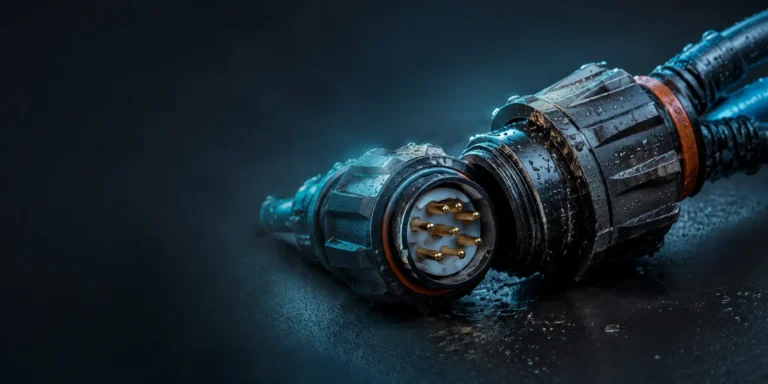
Decide whether a connector needs IP65, IP67, IP68, or an unsealed design by examining the installed environment, ingress paths, condensation, and maintenance.
Read More →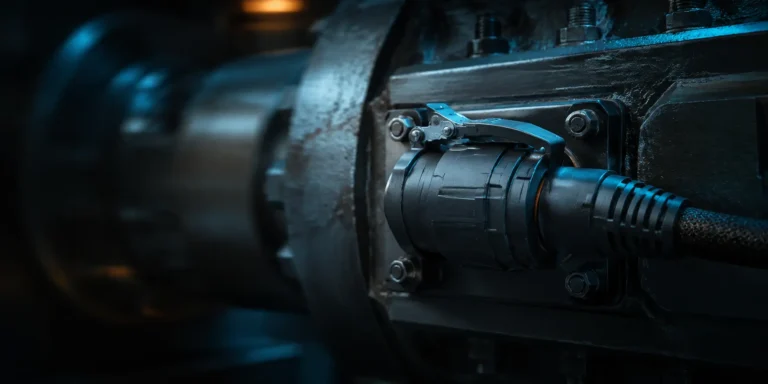
Understand fretting, contact loosening, locking methods, strain relief, plating, mating-cycle ratings, and validation standards for demanding connectors.
Read More →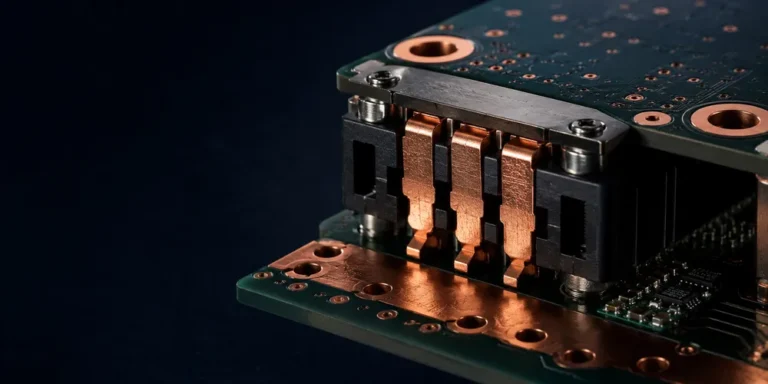
Select high-current board-to-board power connectors using temperature rise, contact resistance, derating, PCB copper, and current-sharing analysis.
Read More →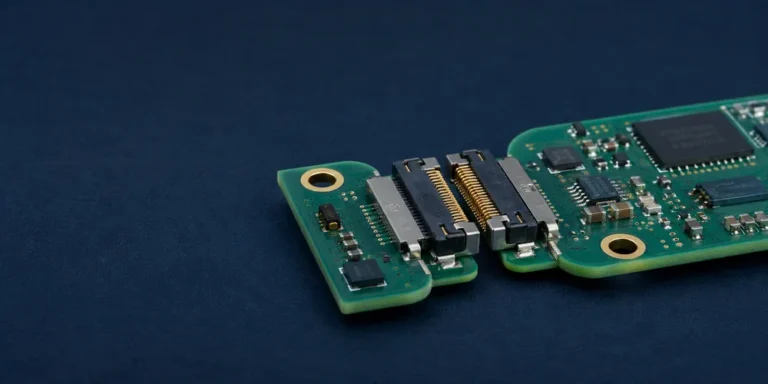
Design reliable coplanar board-to-board connections by comparing connector types, board-gap tolerance, floating interfaces, routing, and alignment.
Read More →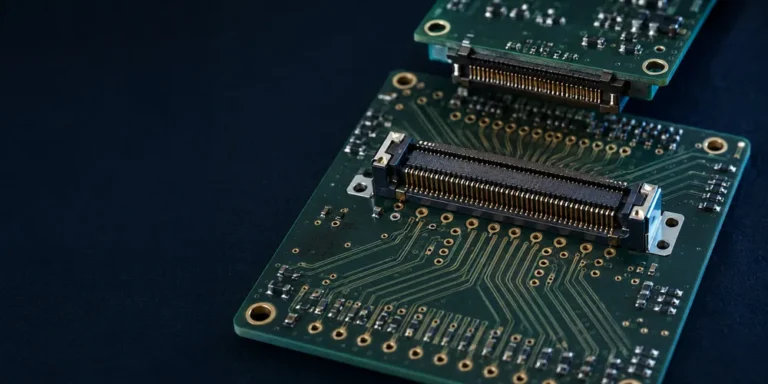
Improve board-to-board connector PCB layouts with accurate footprints, tolerance stacks, high-speed routing, power delivery, grounding, assembly, and testing.
Read More →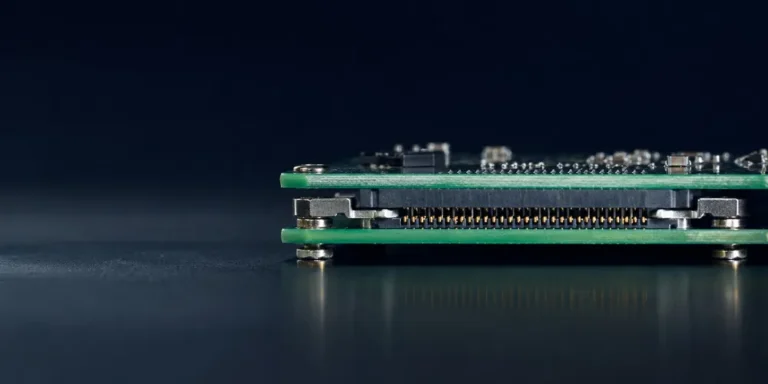
Choose low-profile board-to-board connectors by mated height, tolerance, component clearance, signal integrity, reliability, and serviceability.
Read More →