FEATURED ARTICLE
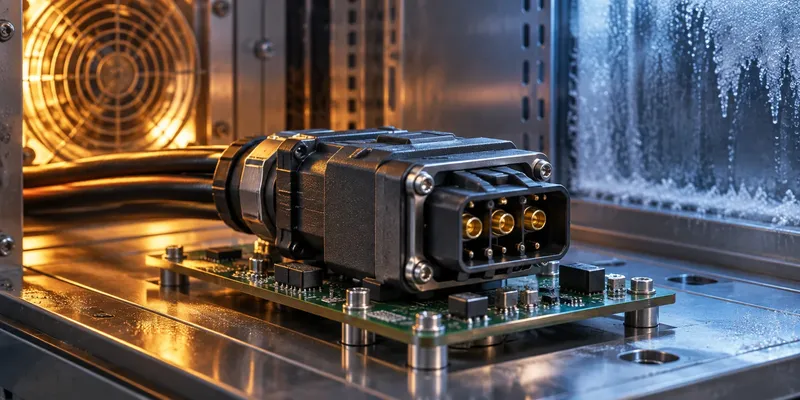
Connector Temperature Ratings: Derating and Material Limits
Understand connector operating temperature, current derating and solder-process limits, and learn which evidence to request before selecting a part.
Read More →
Expert insights, guides, and engineering resources to help you design reliable connections for any application.
Understand connector operating temperature, current derating and solder-process limits, and learn which evidence to request before selecting a part.
Read More →
Understand connector operating temperature, current derating and solder-process limits, and learn which evidence to request before selecting a part.
Read More →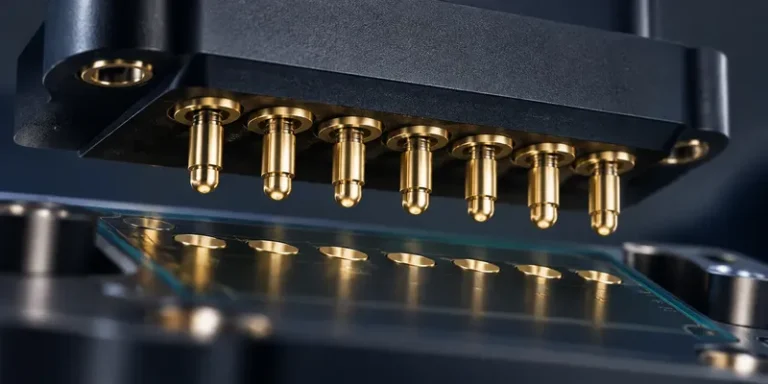
Design reliable pogo pin interfaces by checking working travel, tolerance stack-up, contact force, current, mating pads and cycle-life evidence.
Read More →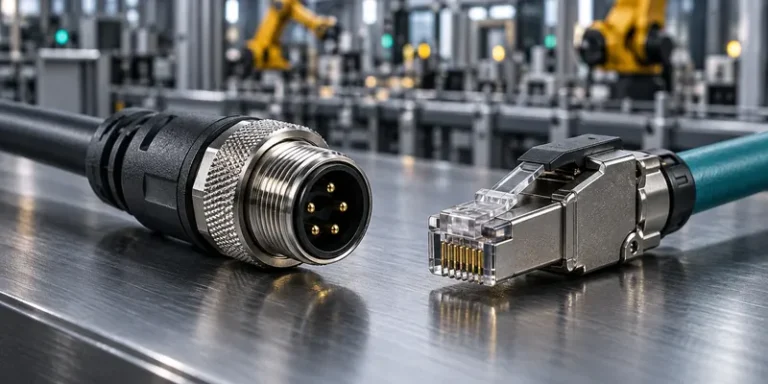
Compare RJ45, M12 D-coded, M12 X-coded and Ethernet-specific M8 interfaces by speed, environment, cabling and installation needs.
Read More →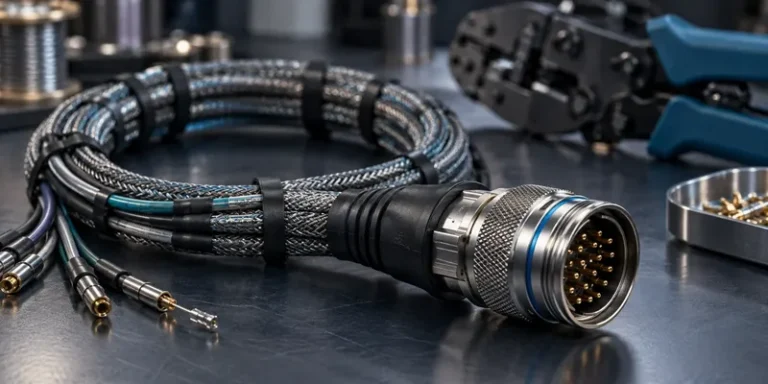
Improve cable assembly reliability with controlled wire preparation, validated crimps, strain relief, shield termination and a defined test plan.
Read More →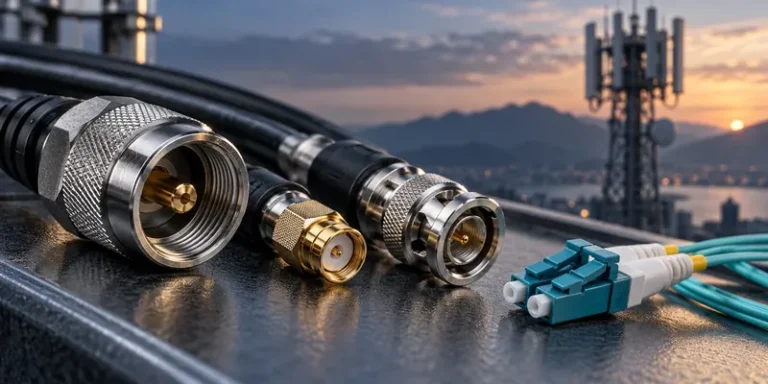
Choose telecom connectors by RF performance, fiber interface, signal integrity, power loading and outdoor installation requirements.
Read More →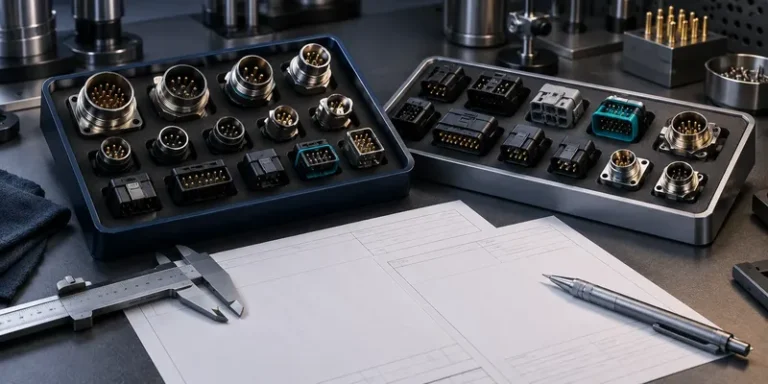
Build a connector second-source plan with interface checks, electrical validation, production trials and clear approval controls for alternative parts.
Read More →
Plan connector last-time buys with net demand, stock checks, storage controls and a qualified replacement strategy to reduce production disruption.
Read More →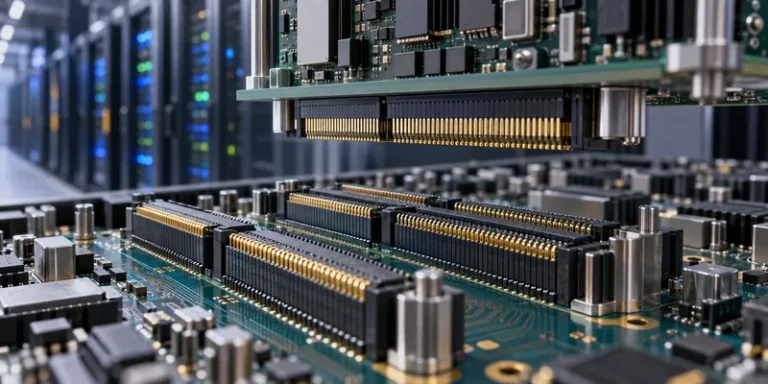
Select server backplane connectors by interface, channel performance, power, mechanical tolerances and validation requirements for reliable integration.
Read More →
Learn how to prevent connector corrosion with suitable contact plating, environmental seals, material selection and application-specific validation.
Read More →