FEATURED ARTICLE
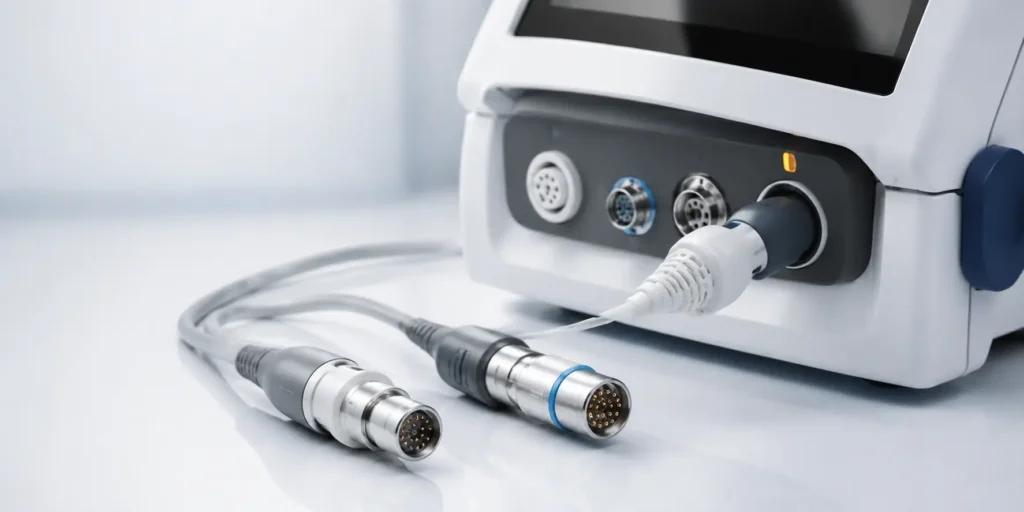
Medical Device Connector Guide: Reliability, Cleaning, and Safety
A practical guide to medical connector selection for patient cables, surgical tools, imaging systems, wearables, and test fixtures.
Read More →
Expert insights, guides, and engineering resources to help you design reliable connections for any application.
A practical guide to medical connector selection for patient cables, surgical tools, imaging systems, wearables, and test fixtures.
Read More →
Understand fretting, contact loosening, locking methods, strain relief, plating, mating-cycle ratings, and validation standards for demanding connectors.
Read More →
Select high-current board-to-board power connectors using temperature rise, contact resistance, derating, PCB copper, and current-sharing analysis.
Read More →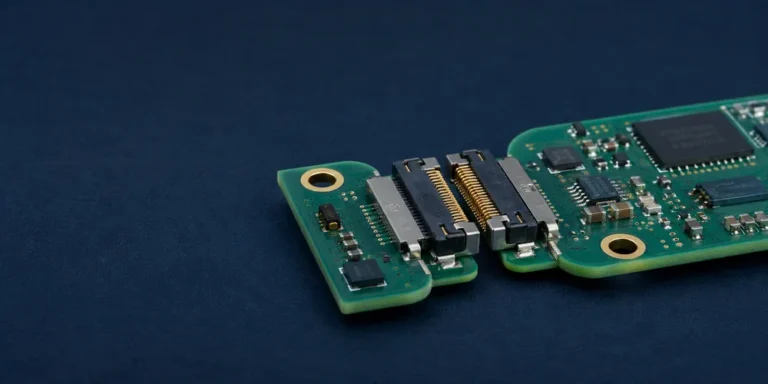
Design reliable coplanar board-to-board connections by comparing connector types, board-gap tolerance, floating interfaces, routing, and alignment.
Read More →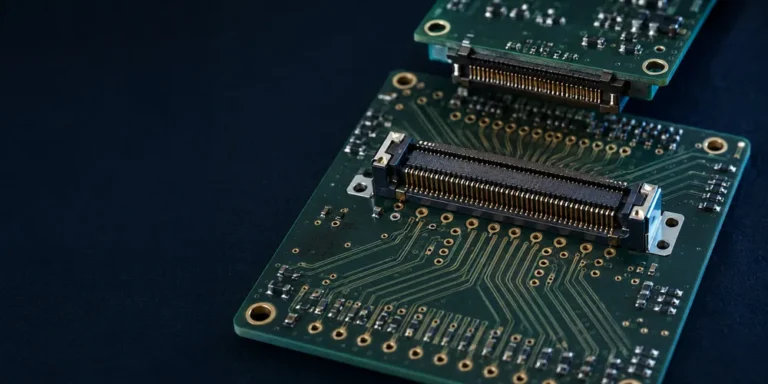
Improve board-to-board connector PCB layouts with accurate footprints, tolerance stacks, high-speed routing, power delivery, grounding, assembly, and testing.
Read More →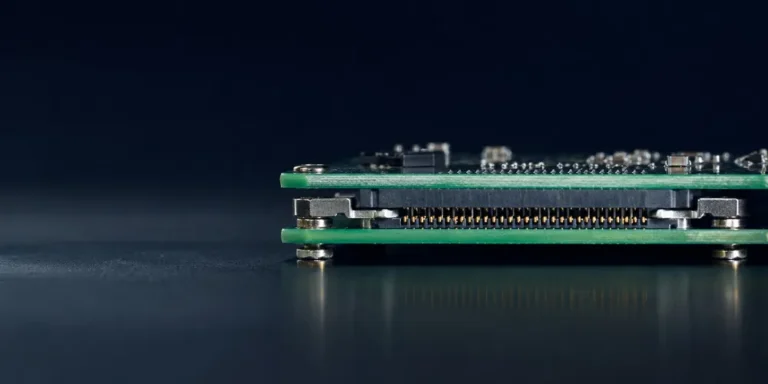
Choose low-profile board-to-board connectors by mated height, tolerance, component clearance, signal integrity, reliability, and serviceability.
Read More →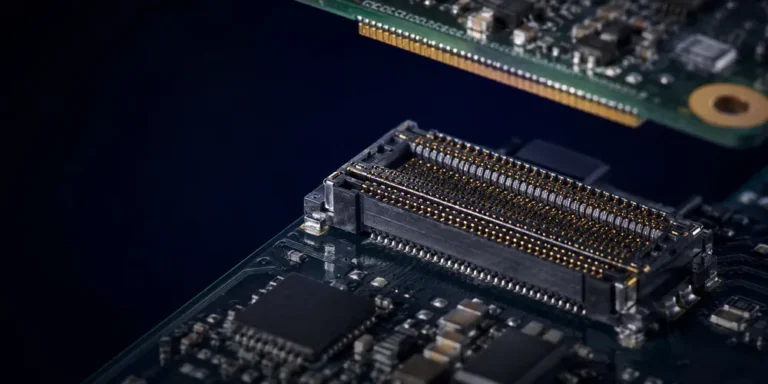
Compare 0.4 mm, 0.5 mm, and larger-pitch board-to-board connectors for density, SMT assembly, signal integrity, reliability, and stack height.
Read More →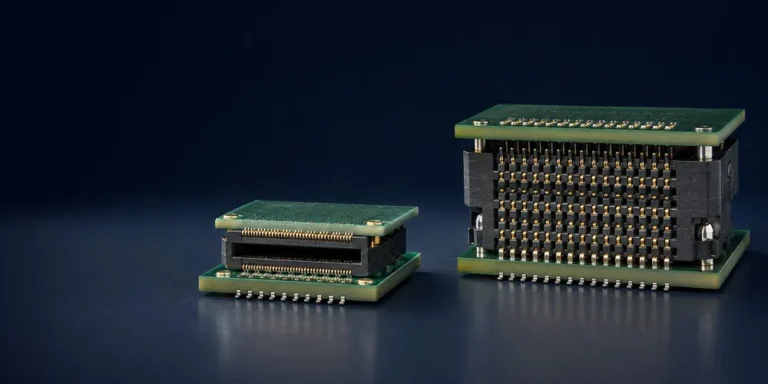
Compare SlimStack and SEARAY by pitch, stack height, I/O density, high-speed architecture, and application fit, then evaluate connector alternatives.
Read More →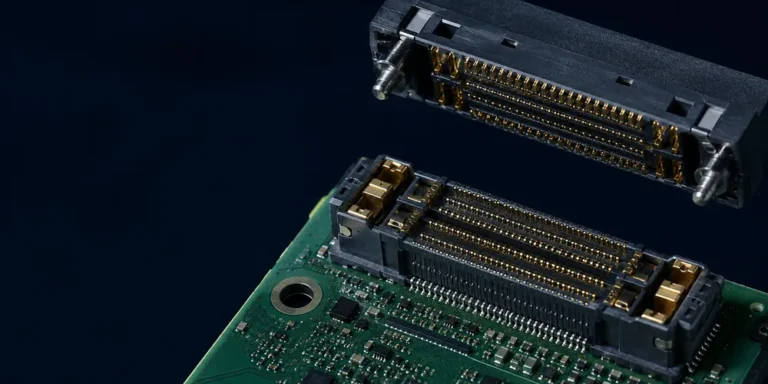
Build a board-to-board connector pin budget for power, returns, differential signals, controls, test access, future margin, and mechanical constraints.
Read More →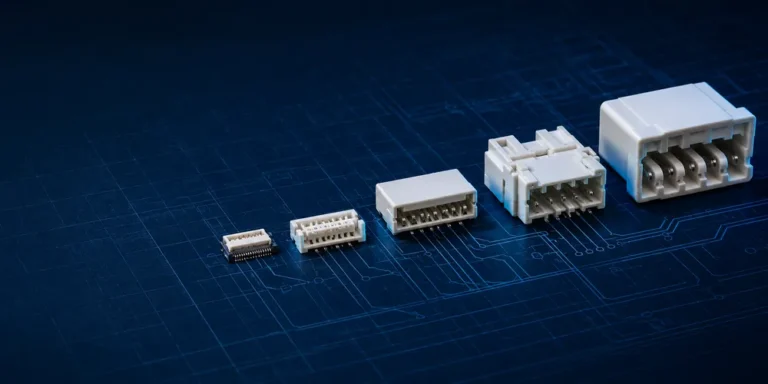
Pitch is only the first filter. It does not guarantee electrical capability, mating compatibility or footprint interchangeability. Select the full connector system and apply the manufacturer’s derating data.
Read More →