
FEATURED ARTICLE
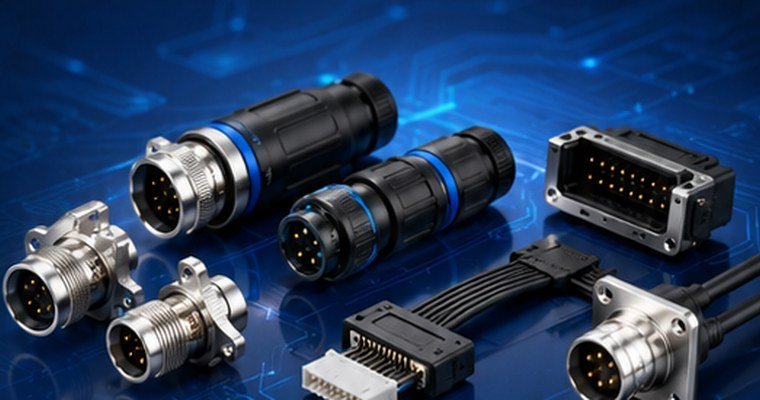
SD Express Socket Retrofit: Upgrading a UHS-I Footprint Without a Board Revision
What survives a retrofit, what requires a re-spin, and the five layout decisions that keep the option open for later.
Read More →
Technical articles tagged Signal Integrity: selection guidance, design rules and field data for Signal Integrity connectors.
What survives a retrofit, what requires a re-spin, and the five layout decisions that keep the option open for later.
Read More →
What survives a retrofit, what requires a re-spin, and the five layout decisions that keep the option open for later.
Read More →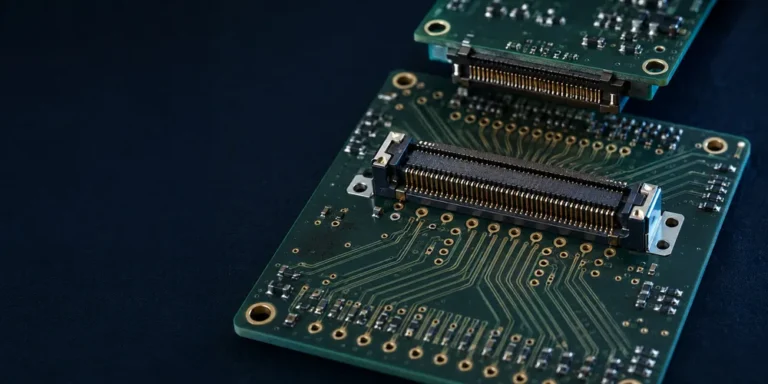
Improve board-to-board connector PCB layouts with accurate footprints, tolerance stacks, high-speed routing, power delivery, grounding, assembly, and testing.
Read More →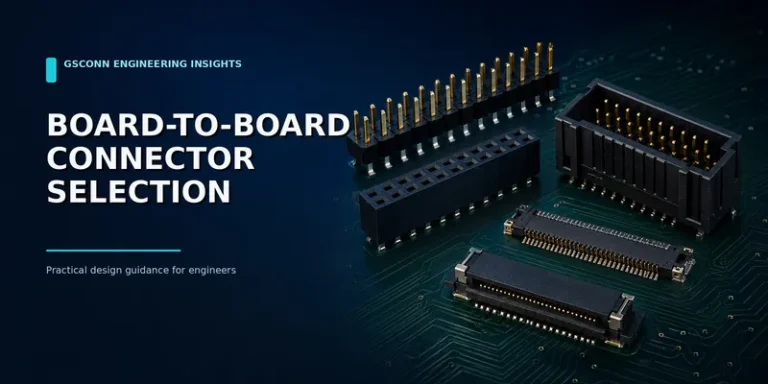
Board-to-Board Connector Selection Guide: A Practical Engineering Workflow Choosing a board-to-board (B2B) connector is not simply a matter of matching pitch and pin count. The connector also defines board spacing, assembly tolerance, serviceability, signal integrity, current density and, often, the mechanical architecture of the enclosure. This guide turns those requirements into a practical selection workflow. […]
Read More →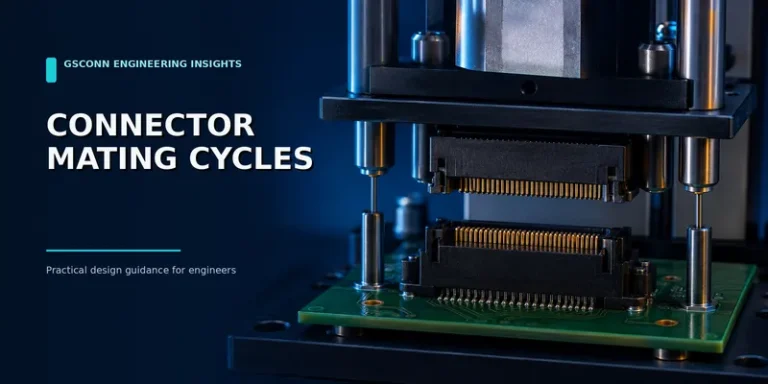
Board-to-Board Connector Mating Cycles: Durability and Life Expectancy A mating-cycle rating states how many complete insertions and withdrawals a connector has passed under defined test conditions. It does not guarantee the same life in a dusty service bay, a vibrating vehicle or a misaligned test fixture. The useful engineering question is not simply “How many […]
Read More →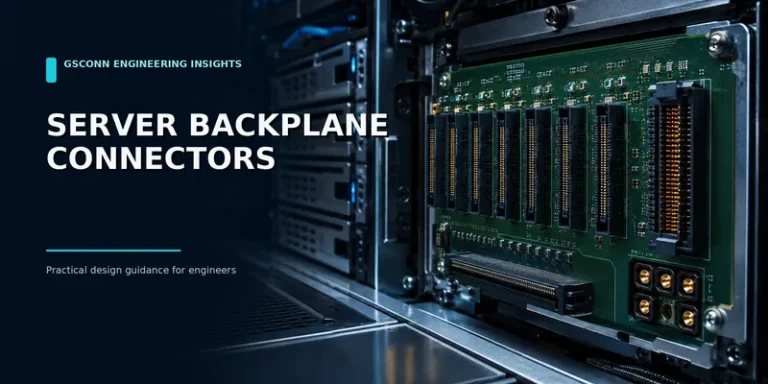
Server Backplane Connector Selection for Data Center Hardware A server “backplane connector” can refer to several different interfaces: the drive-facing connector, a high-speed cable connection, a controller-to-backplane board connector, an OCP NIC interface or a power-distribution connector. Treating all of them as generic board-to-board connectors creates electrical and mechanical risk. Each location has a different […]
Read More →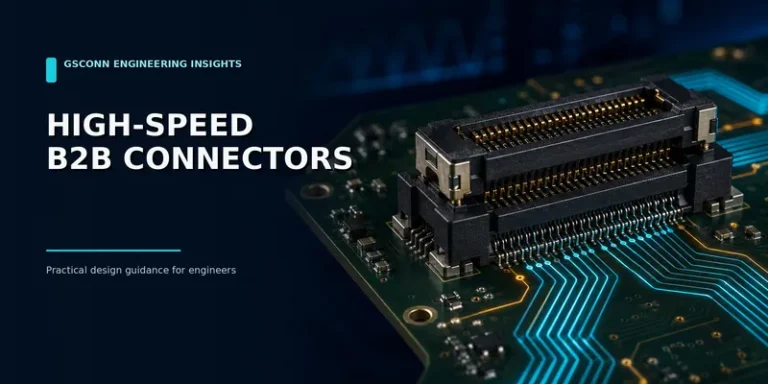
High-Speed Board-to-Board Connector Design Guide A connector does not become “high-speed” because it has fine pitch. High-speed performance comes from a controlled contact/ground architecture, a repeatable PCB launch and measured channel data. The correct selection process starts with the interface and channel budget, then evaluates the connector’s S-parameters, pin map, stack height and breakout geometry. […]
Read More →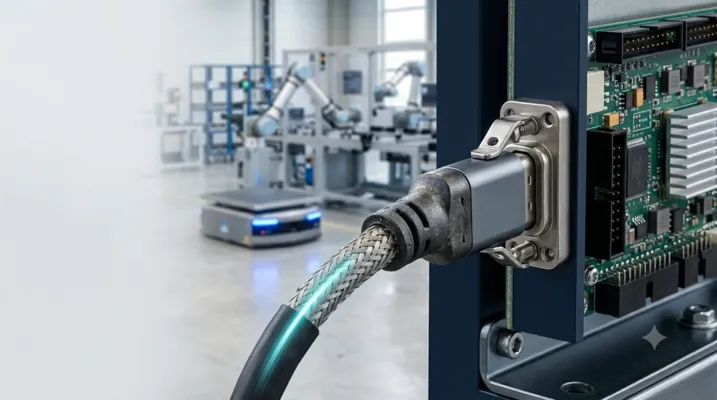
USB Connector for Robotics and Industrial Automation Quick Decision Matrix Robot Type USB Function Connector Key Requirement Industrial robot arm Teach pendant, vision camera Locking Type-A or
Read More →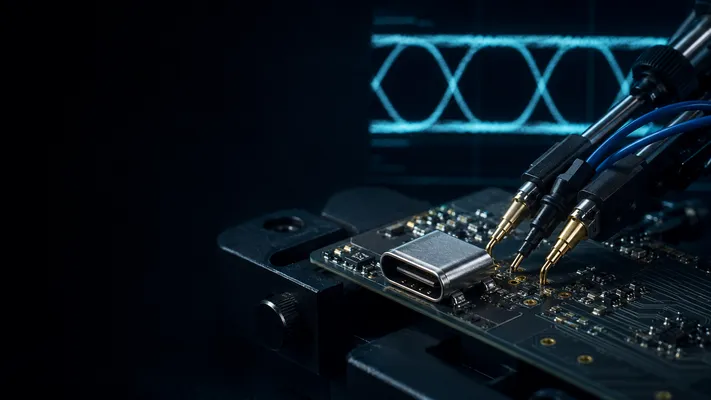
How to Test USB Connector: Continuity, Resistance, and Signal Checks Quick Test Reference What to Check Tool Expected Reading What It Means If Off Continuity (pin to pin) Multimeter (continuity
Read More →
USB Connector for Energy Storage Systems: Battery Management and Monitoring Quick Summary Parameter Requirement Temperature range -30°C to +70°C (indoor BESS), -40°C to +85°C (outdoor container
Read More →