FEATURED ARTICLE
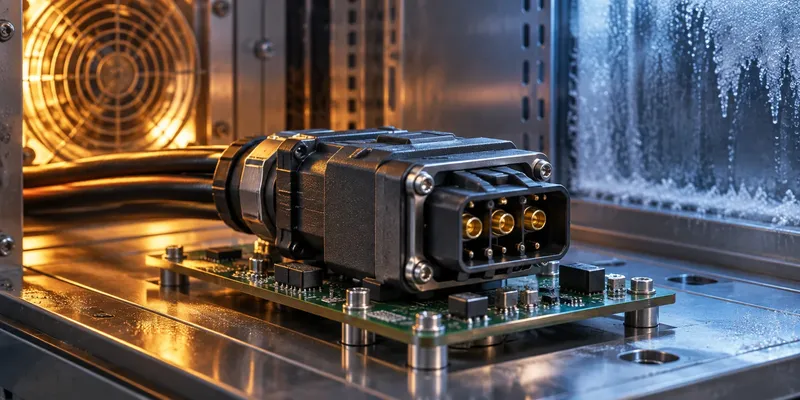
Connector Temperature Ratings: Derating and Material Limits
Understand connector operating temperature, current derating and solder-process limits, and learn which evidence to request before selecting a part.
Read More →
Expert insights, guides, and engineering resources to help you design reliable connections for any application.
Understand connector operating temperature, current derating and solder-process limits, and learn which evidence to request before selecting a part.
Read More →
Most USB connectors live in comfortable environments — offices, living rooms, server rooms where temperature and humidity are controlled. Stacked USB connectors in industrial and outdoor applications
Read More →
A good stacked USB connector from a reputable manufacturer handles the signal integrity inside the connector body. But everything that happens on your PCB — from the connector pad to the PHY chip — is
Read More →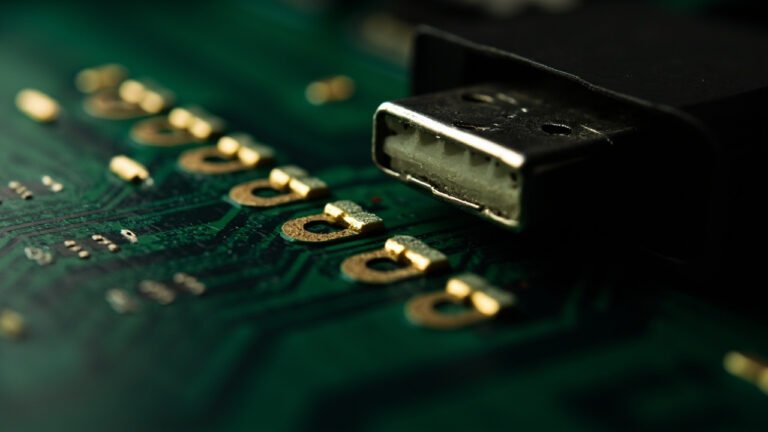
If you're laying out a PCB with a stacked USB connector, the footprint is the first thing you need to get right — and the last thing you want to debug after the boards come back. A misaligned footprin
Read More →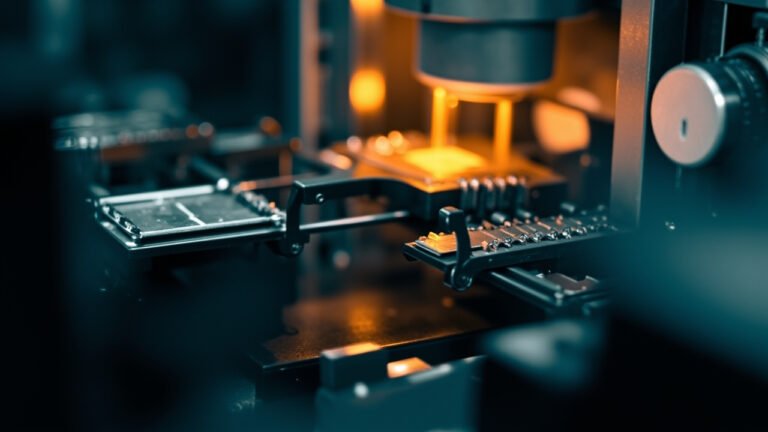
When you're sourcing stacked USB connectors at production volumes, the choice between a catalog distributor and a direct manufacturer changes the economics of your entire product. A distributor gives
Read More →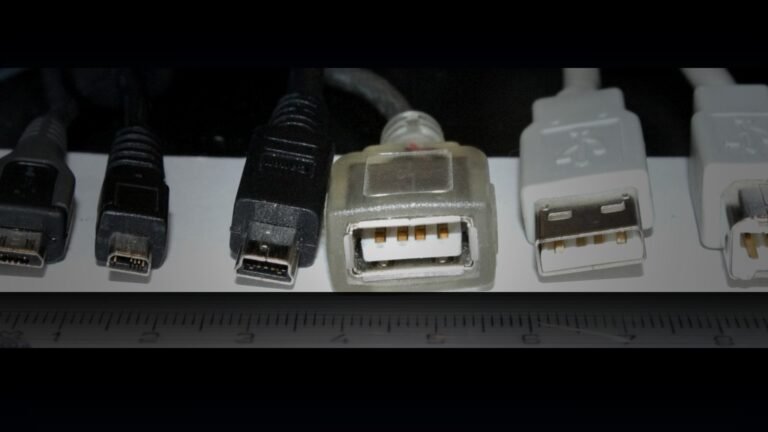
If you've ever opened up a desktop PC, a medical monitor, or an industrial control panel and noticed two USB ports stacked vertically on the same connector body — that's a stacked USB connector. It's
Read More →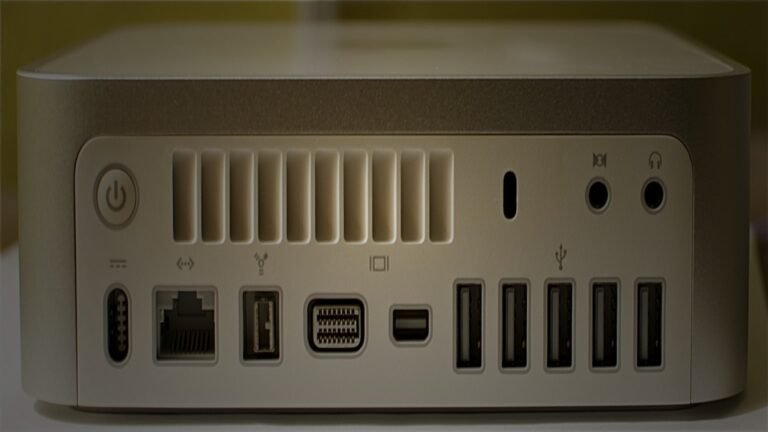
Here's a question that comes up more and more in our engineering conversations: "Can you do a stacked USB-C connector?" The answer is yes — and it's one of the fastest-growing segments of the stacked
Read More →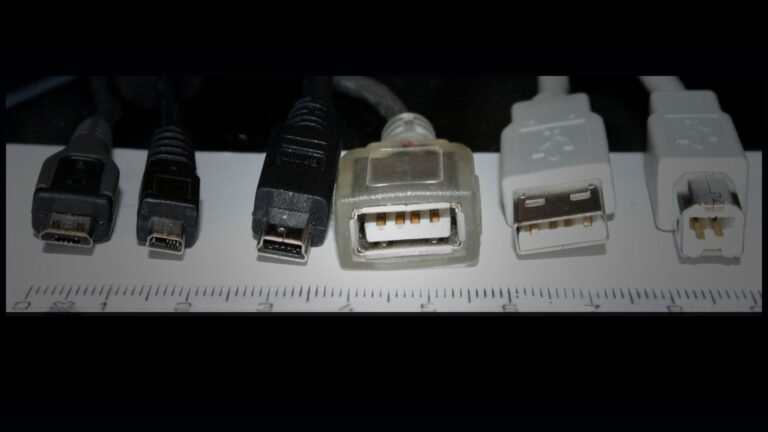
When you're speccing a stacked USB connector for a new design, the first decision — which USB standard — determines almost everything else that follows: pin count, signal integrity requirements, PCB l
Read More →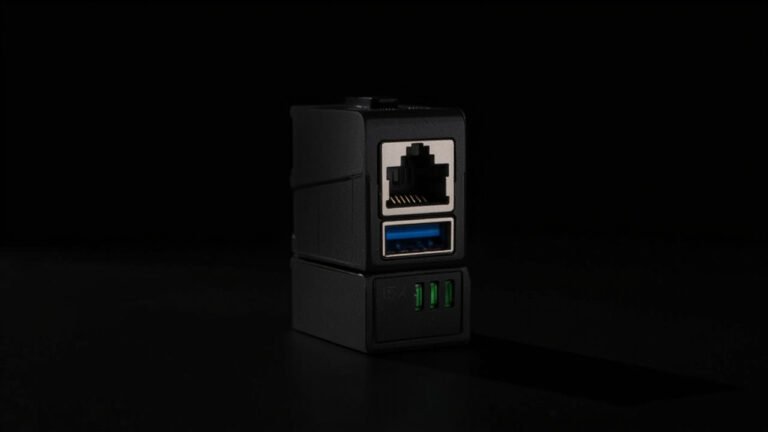
If you design IoT gateways, industrial routers, or networked embedded systems, you've probably faced this panel layout problem: you need one Ethernet port and one USB port, they need to sit next to ea
Read More →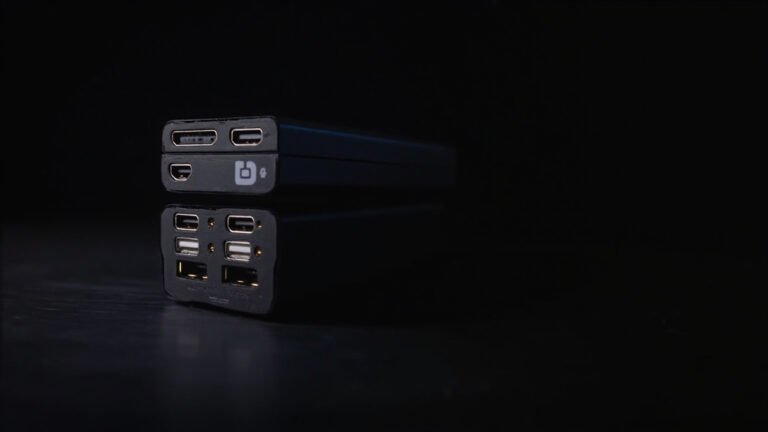
HDMI and USB are the two most common I/O interfaces on modern embedded systems, digital signage players, set-top boxes, thin clients, and industrial computing modules. They serve different functions —
Read More →