FEATURED ARTICLE
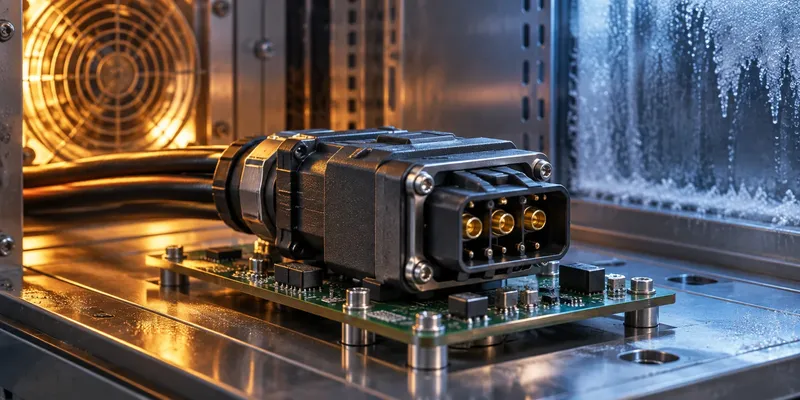
Connector Temperature Ratings: Derating and Material Limits
Understand connector operating temperature, current derating and solder-process limits, and learn which evidence to request before selecting a part.
Read More →
Expert insights, guides, and engineering resources to help you design reliable connections for any application.
Understand connector operating temperature, current derating and solder-process limits, and learn which evidence to request before selecting a part.
Read More →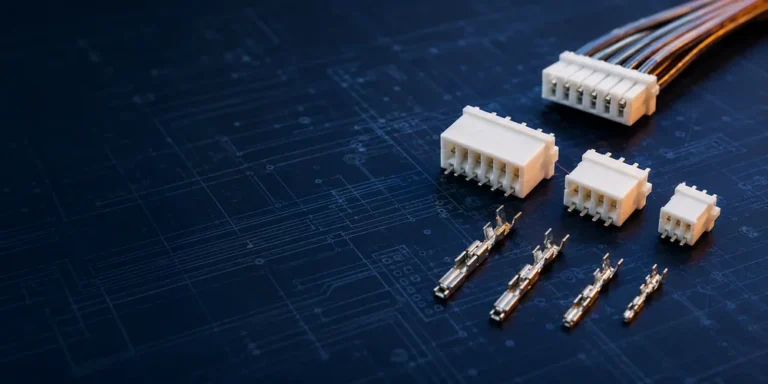
Important: “JST-style” is not a specification. Choose the housing, terminal and header from the same approved JST series, then confirm the exact wire range and derating in the applicable data sheet.
Read More →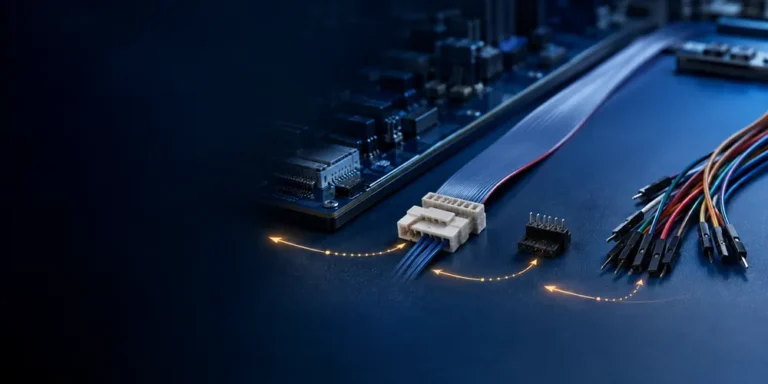
Migration rule: A 2.54 mm prototype header cannot be exchanged for a JST or Molex connector without a PCB and harness change. Verify footprint, header orientation, keying, terminal and cable assembly together.
Read More →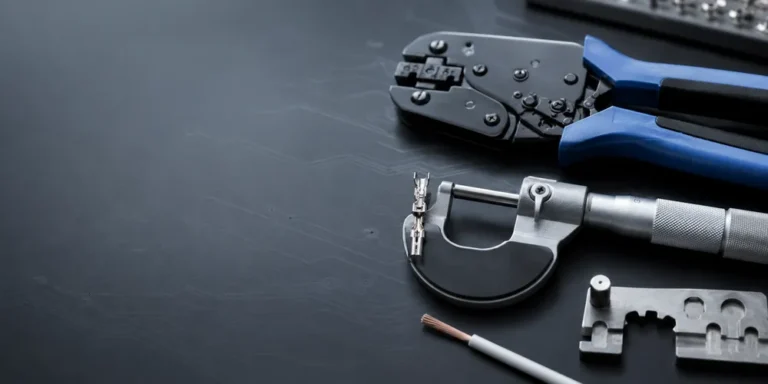
Do not use the numeric crimp-height examples in this article as production release limits. The correct height, pull requirement and visual criteria come from the selected terminal’s manufacturer drawing and the approved applicator setup.
Read More →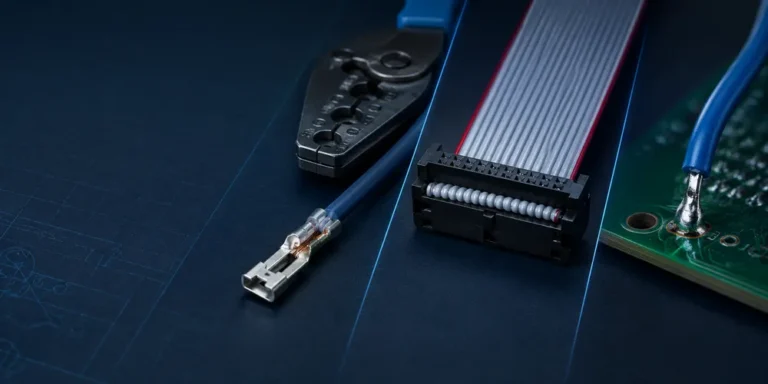
Quality rule: A reliable termination is defined by the connector manufacturer’s approved terminal, wire, applicator and inspection criteria—not by a generic crimp height or a visual impression alone.
Read More →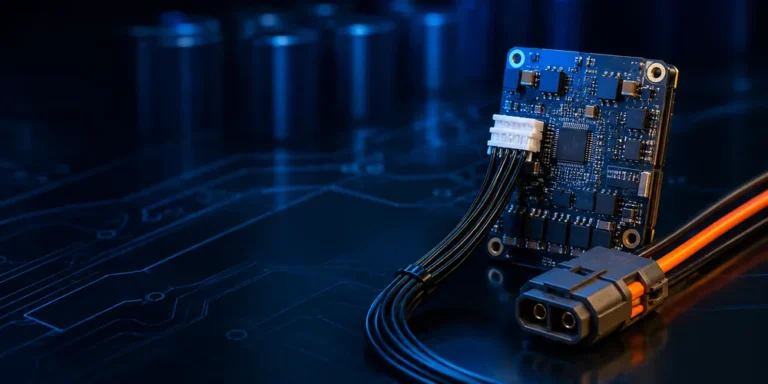
Safety boundary: Connector selection does not replace pack protection, insulation coordination, creepage/clearance analysis, fault-current design or battery certification. Treat every stated current value as subject to wire, temperature and derati...
Read More →
Find the cause of intermittent USB disconnects with a practical isolation workflow covering cables, ports, power limits, drivers, EMI and vibration.
Read More →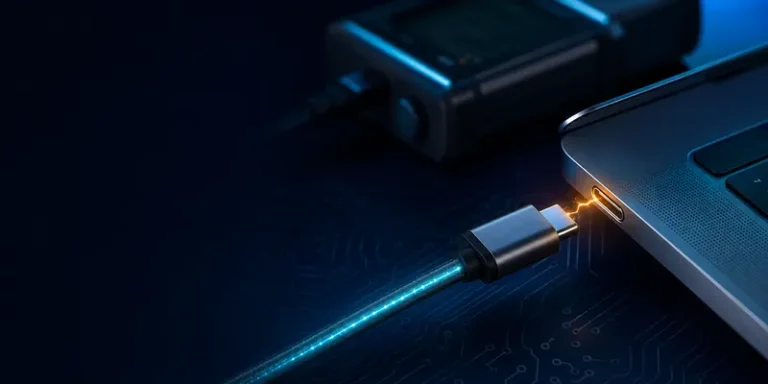
Diagnose USB-C charging failures by checking the cable, PD profile, e-marker, port contacts, temperature, battery and device-side faults.
Read More →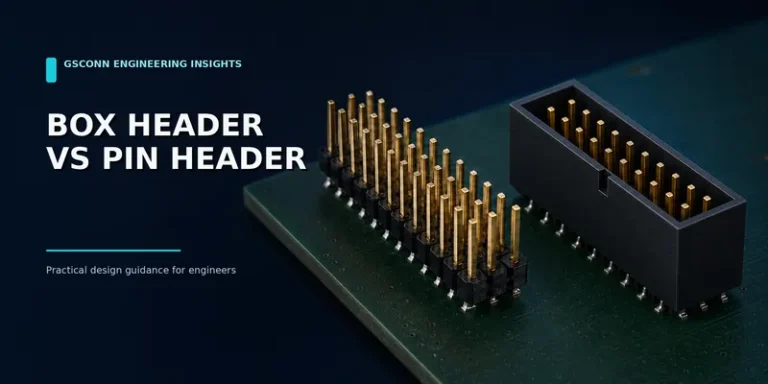
Box Header vs Pin Header: When a Shrouded Connector Is Worth It A box header is essentially a pin array surrounded by a molded shroud. That extra housing increases footprint and cost, but it can also protect contacts, guide mating, support polarization and provide a latch. The right choice depends less on the electrical schematic […]
Read More →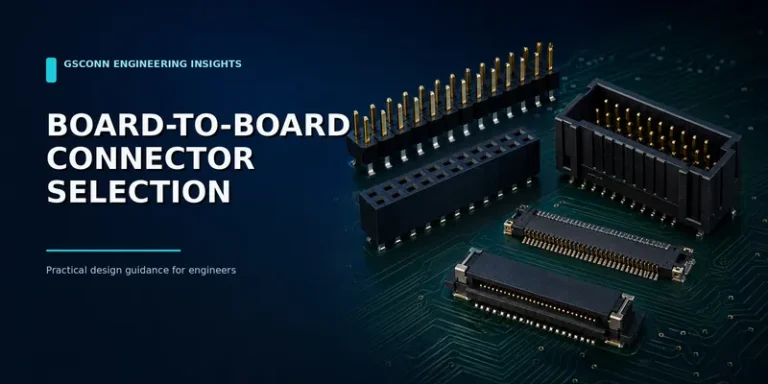
Board-to-Board Connector Selection Guide: A Practical Engineering Workflow Choosing a board-to-board (B2B) connector is not simply a matter of matching pitch and pin count. The connector also defines board spacing, assembly tolerance, serviceability, signal integrity, current density and, often, the mechanical architecture of the enclosure. This guide turns those requirements into a practical selection workflow. […]
Read More →