FEATURED ARTICLE
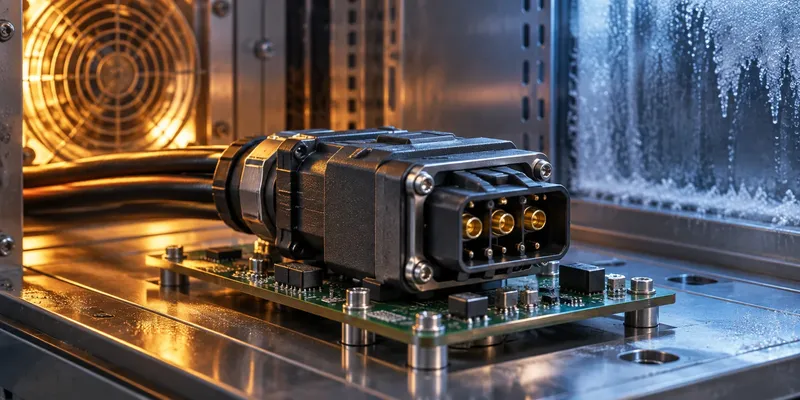
Connector Temperature Ratings: Derating and Material Limits
Understand connector operating temperature, current derating and solder-process limits, and learn which evidence to request before selecting a part.
Read More →
Expert insights, guides, and engineering resources to help you design reliable connections for any application.
Understand connector operating temperature, current derating and solder-process limits, and learn which evidence to request before selecting a part.
Read More →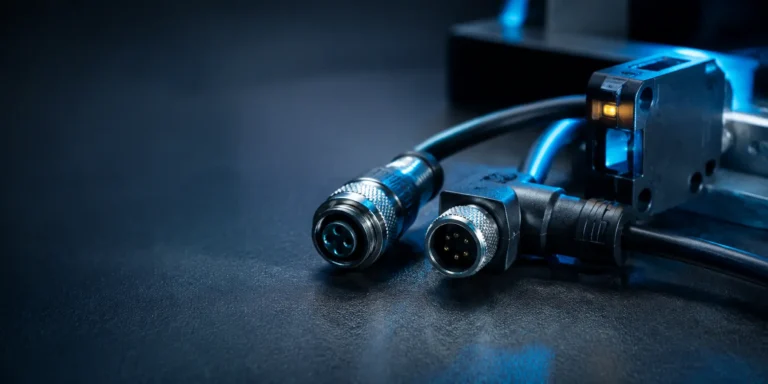
Compare M12 A-, B-, C-, D-, X-, S-, T-, and K-coded connectors, common pinouts, cable exits, termination styles, and industrial applications.
Read More →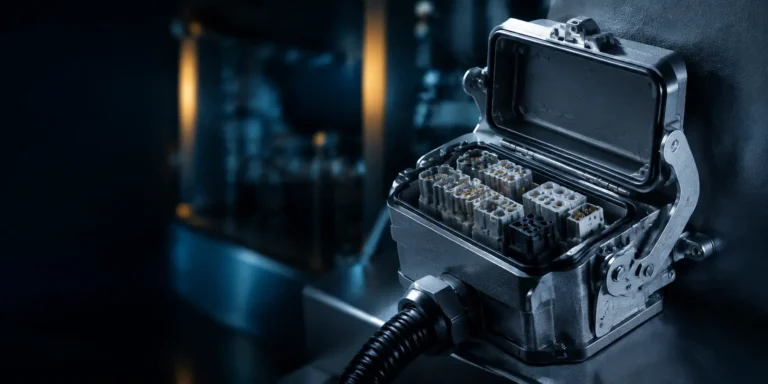
Select heavy-duty rectangular connectors by insert type, current, contact density, housing, locking method, sealing, and industrial application.
Read More →
A practical guide to CCS, CHAdeMO, SAE J3400/NACS, GB/T, contact heating, cooling, sensing, and EV charging connector compliance.
Read More →
Compare Deutsch DT-family sealed connectors by contact size, wire range, current capability, wedge-lock design, and application.
Read More →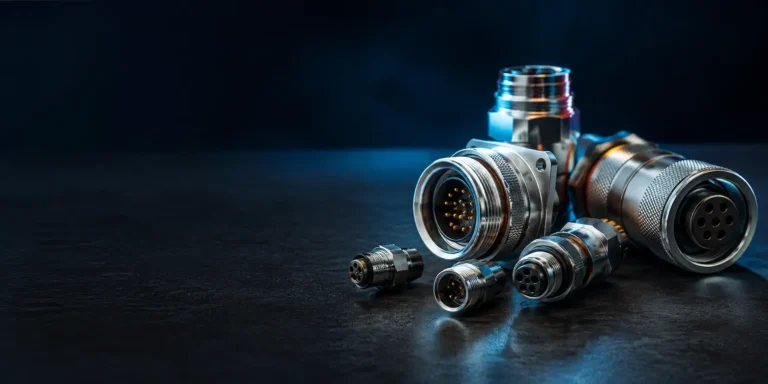
Compare M8, M12, M23, MIL-style, and Deutsch-style circular connectors by size, locking method, sealing, signal type, and application.
Read More →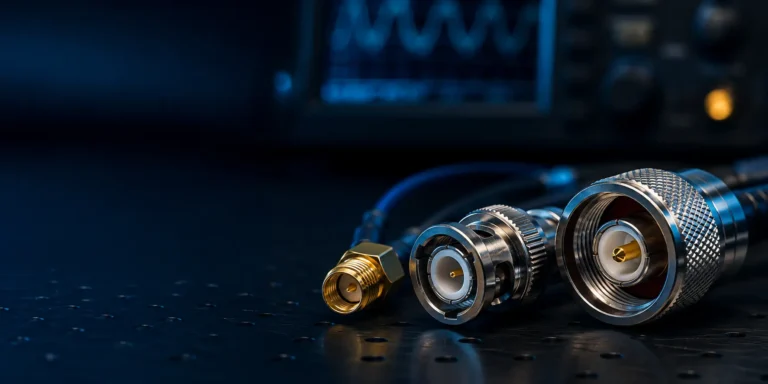
Compare common RF coaxial connectors by impedance, frequency, coupling, size, power, sealing, PCB launch, VSWR, and insertion loss.
Read More →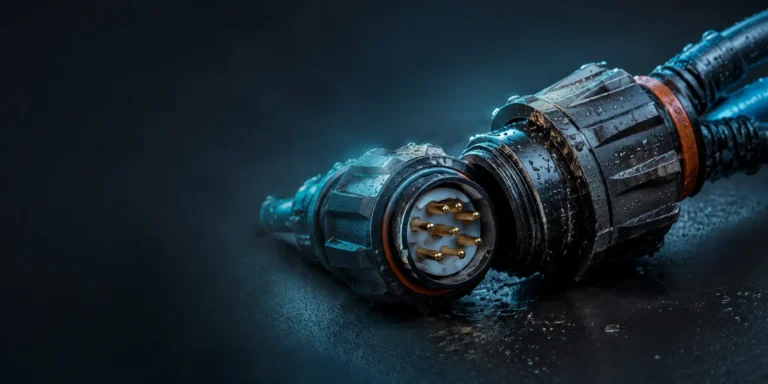
Decide whether a connector needs IP65, IP67, IP68, or an unsealed design by examining the installed environment, ingress paths, condensation, and maintenance.
Read More →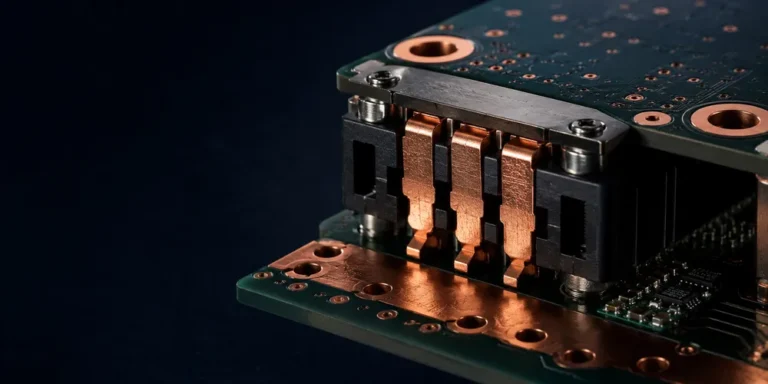
Select high-current board-to-board power connectors using temperature rise, contact resistance, derating, PCB copper, and current-sharing analysis.
Read More →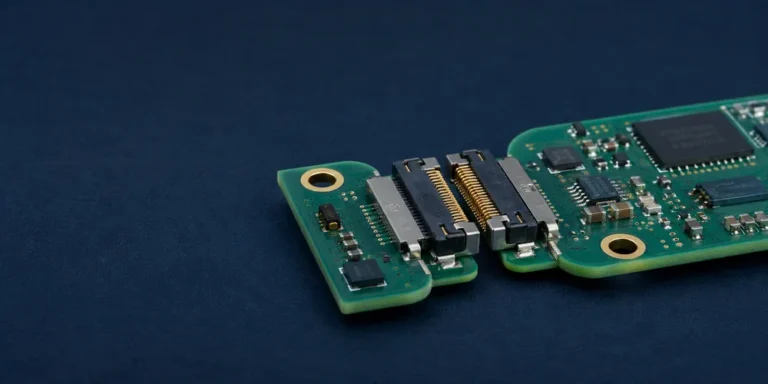
Design reliable coplanar board-to-board connections by comparing connector types, board-gap tolerance, floating interfaces, routing, and alignment.
Read More →