FEATURED ARTICLE
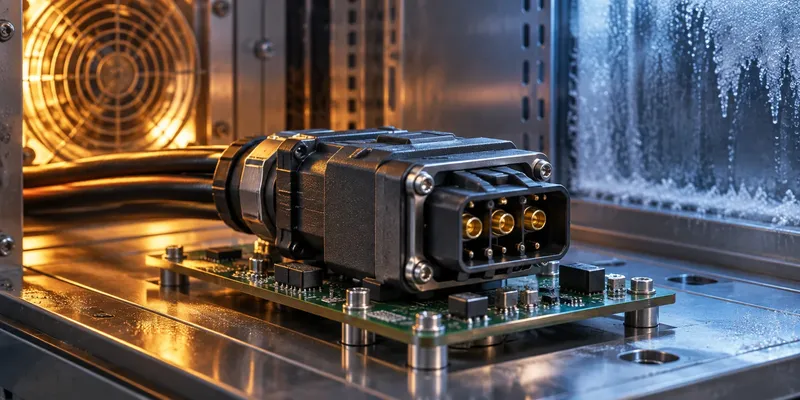
Connector Temperature Ratings: Derating and Material Limits
Understand connector operating temperature, current derating and solder-process limits, and learn which evidence to request before selecting a part.
Read More →
Expert insights, guides, and engineering resources to help you design reliable connections for any application.
Understand connector operating temperature, current derating and solder-process limits, and learn which evidence to request before selecting a part.
Read More →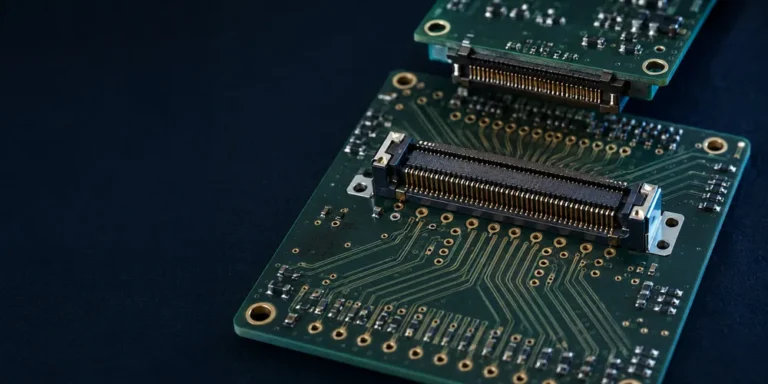
Improve board-to-board connector PCB layouts with accurate footprints, tolerance stacks, high-speed routing, power delivery, grounding, assembly, and testing.
Read More →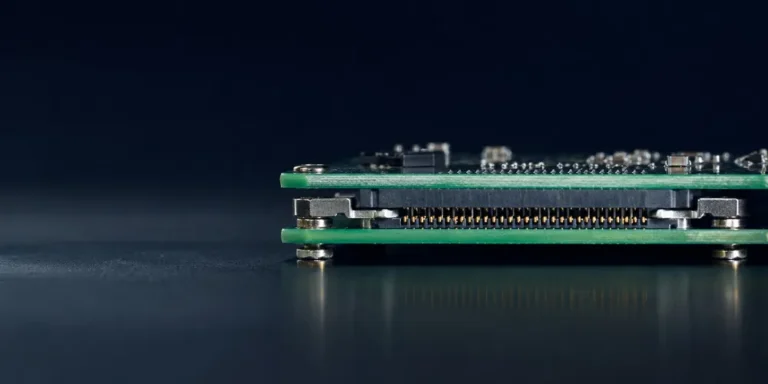
Choose low-profile board-to-board connectors by mated height, tolerance, component clearance, signal integrity, reliability, and serviceability.
Read More →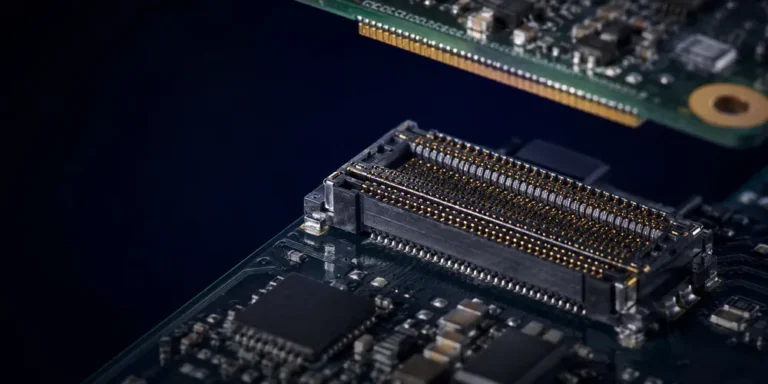
Compare 0.4 mm, 0.5 mm, and larger-pitch board-to-board connectors for density, SMT assembly, signal integrity, reliability, and stack height.
Read More →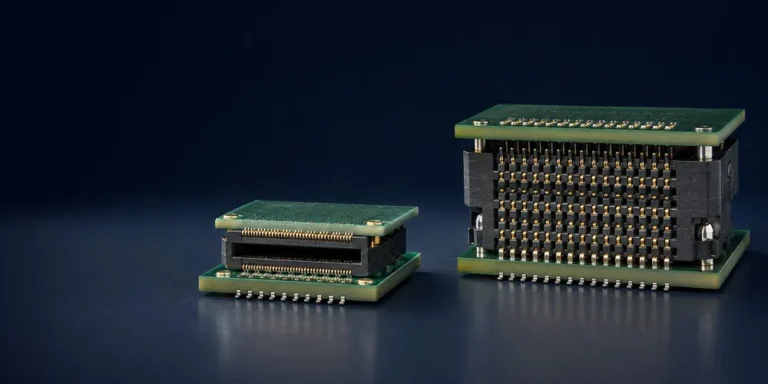
Compare SlimStack and SEARAY by pitch, stack height, I/O density, high-speed architecture, and application fit, then evaluate connector alternatives.
Read More →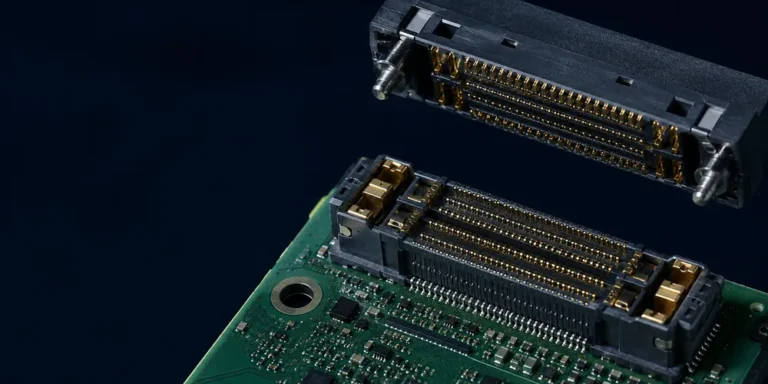
Build a board-to-board connector pin budget for power, returns, differential signals, controls, test access, future margin, and mechanical constraints.
Read More →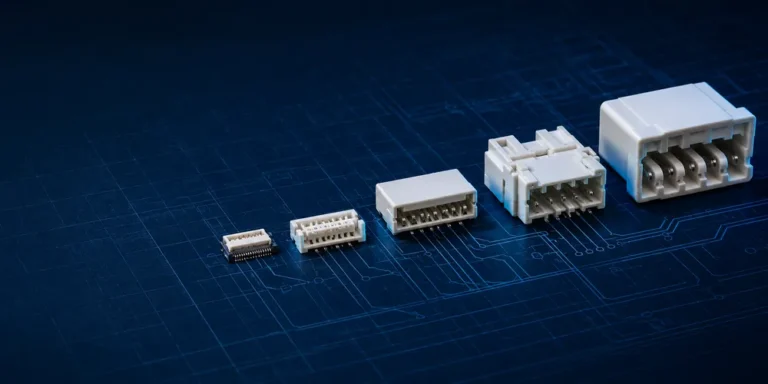
Pitch is only the first filter. It does not guarantee electrical capability, mating compatibility or footprint interchangeability. Select the full connector system and apply the manufacturer’s derating data.
Read More →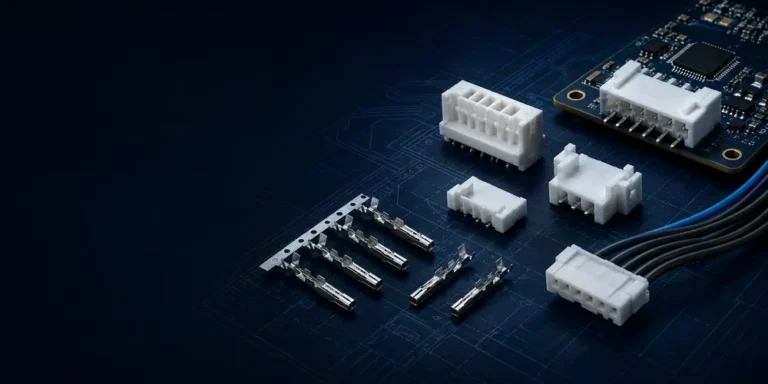
Selection note: Current, temperature, wire range and mating-cycle figures are system-specific. Confirm the exact housing, terminal, header, wire and derating conditions in the manufacturer data sheet before release.
Read More →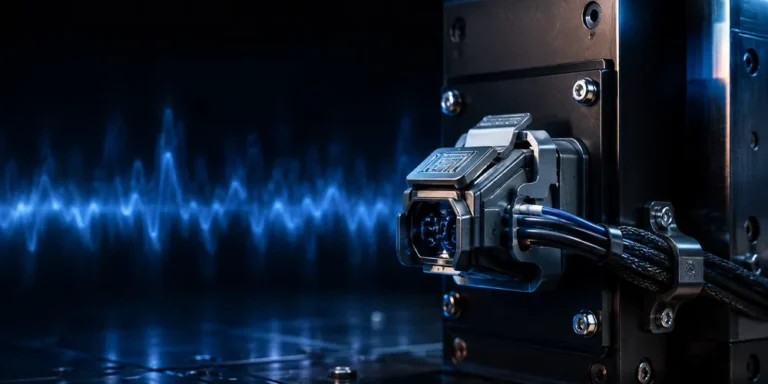
Selection rule: Do not specify a retention force from a generic table. Obtain it from the exact mating pair’s data sheet and validate the completed harness under the required vibration, pull and thermal conditions.
Read More →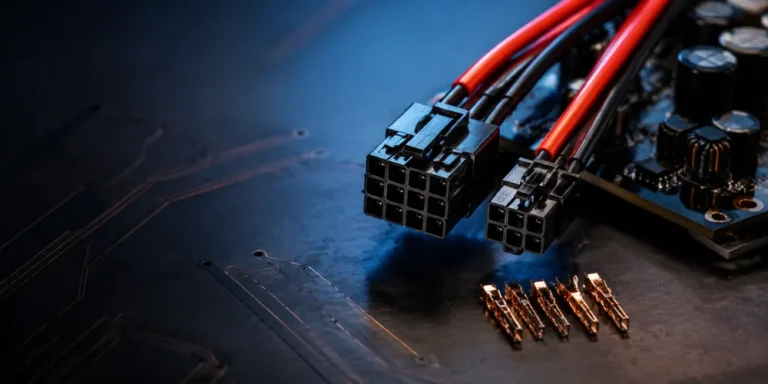
Engineering note: Per-circuit current is not a blanket connector-family value. It depends on the selected terminal, wire gauge, circuit count, temperature rise and application derating.
Read More →