

FEATURED ARTICLE
DC Jack Selection Guide: Barrel Sizes, Polarity and Current Rating
Barrel jack sizes, the 2.1 versus 2.5 mm trap, centre polarity conventions, switching contacts, and when USB-C PD is the better answer.
Read More →
Expert insights, guides, and engineering resources to help you design reliable connections for any application.
Barrel jack sizes, the 2.1 versus 2.5 mm trap, centre polarity conventions, switching contacts, and when USB-C PD is the better answer.
Read More →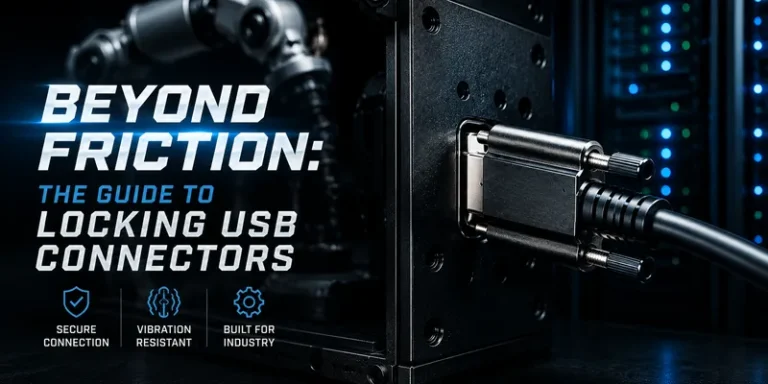
A complete guide to locking USB connector retention mechanisms — screw-lock, push-pull, snap-latch, and bayonet — covering retention force ratings, mating cycle durability, and selection criteria for medical, industrial automation, automotive, and server applications.
Read More →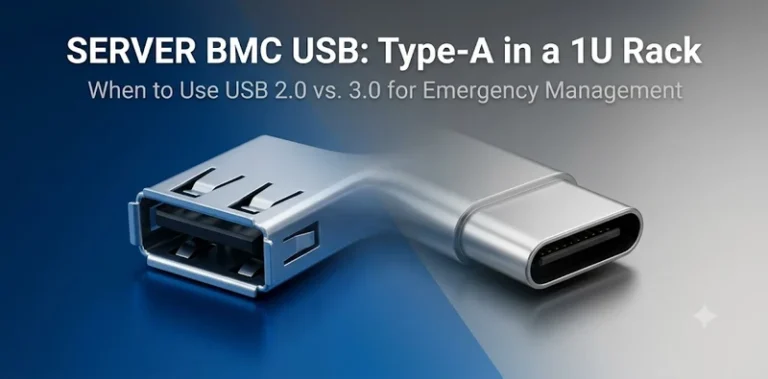
A platform engineer's reference to server BMC USB connector requirements across ASPEED AST2500, AST2600, and AST2700 chip generations. Covers internal USB DOM headers, rear-panel connector selection, and stacked USB+RJ45 for data center 1U and 2U server I/O panels.
Read More →
Source USB connectors from China with confidence. Learn to verify manufacturers vs trading companies, evaluate OEM/ODM capability, and avoid quality pitfalls.
Read More →
"Wire-to-Board or Board-to-Board? A practical decision guide for engineers — when each makes sense, how to compare them, and what to spec in your next RFQ."
Read More →
"UL Listed vs cULus vs UR vs cUR — what each certification really means for terminal blocks shipped to the US and Canada. Avoid customs holds and OEM rejections."
Read More →
A step-by-step guide to selecting sealed connectors for harsh industrial environments.
Read More →
If you're laying out a PCB with a stacked USB connector, the footprint is the first thing you need to get right — and the last thing you want to debug after the boards come back. A misaligned footprin
Read More →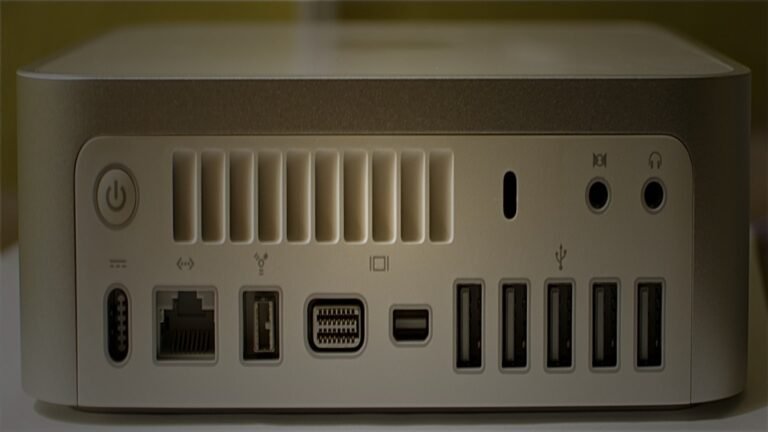
Here's a question that comes up more and more in our engineering conversations: "Can you do a stacked USB-C connector?" The answer is yes — and it's one of the fastest-growing segments of the stacked
Read More →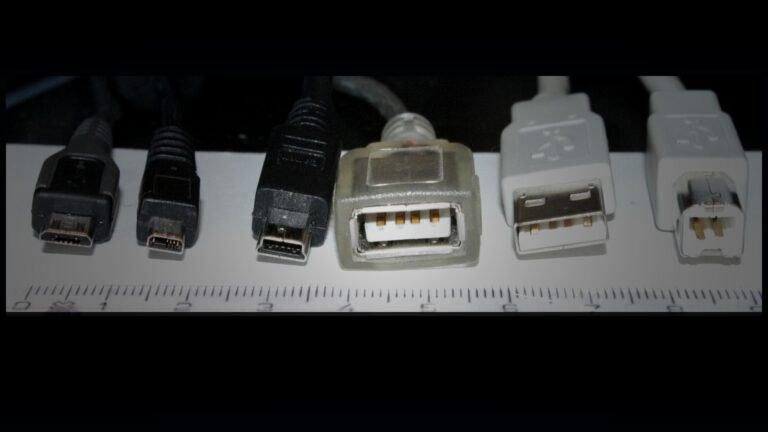
When you're speccing a stacked USB connector for a new design, the first decision — which USB standard — determines almost everything else that follows: pin count, signal integrity requirements, PCB l
Read More →