
FEATURED ARTICLE
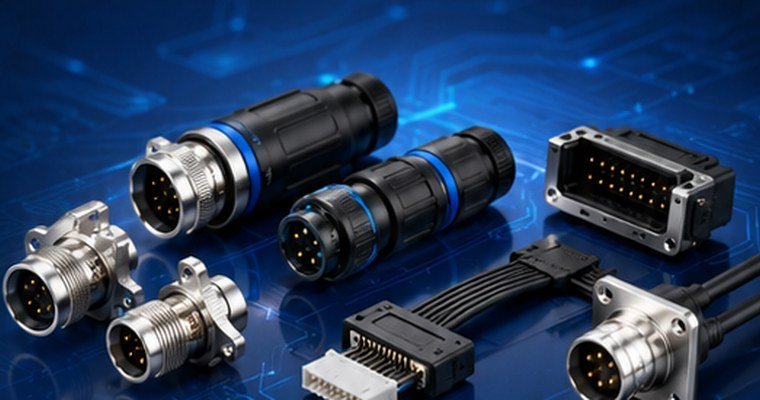
DC Jack Selection Guide: Barrel Sizes, Polarity and Current Rating
Barrel jack sizes, the 2.1 versus 2.5 mm trap, centre polarity conventions, switching contacts, and when USB-C PD is the better answer.
Read More →
Expert insights, guides, and engineering resources to help you design reliable connections for any application.
Barrel jack sizes, the 2.1 versus 2.5 mm trap, centre polarity conventions, switching contacts, and when USB-C PD is the better answer.
Read More →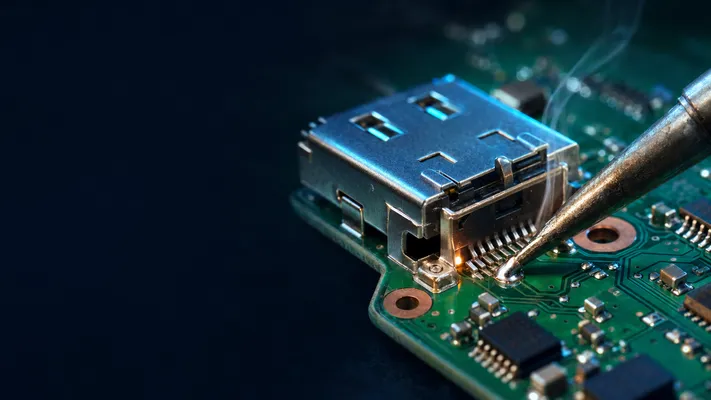
How to Solder USB Connector: SMT and Through-Hole Methods Quick Summary Method Difficulty Equipment Best For Hand-solder through-hole Easy Soldering iron (>60W), solder wire, flux Prototypes
Read More →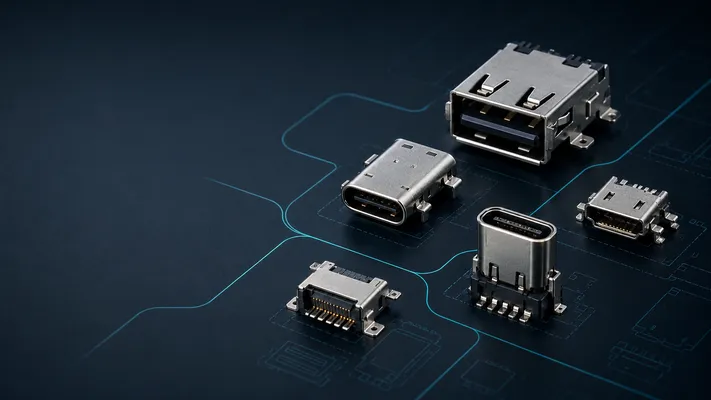
How to Choose USB Connector: Complete Selection Guide for Engineers Quick Selection Matrix If you need… Pick this connector type Key specs to check Read more Two USB ports, one panel cutout Sta
Read More →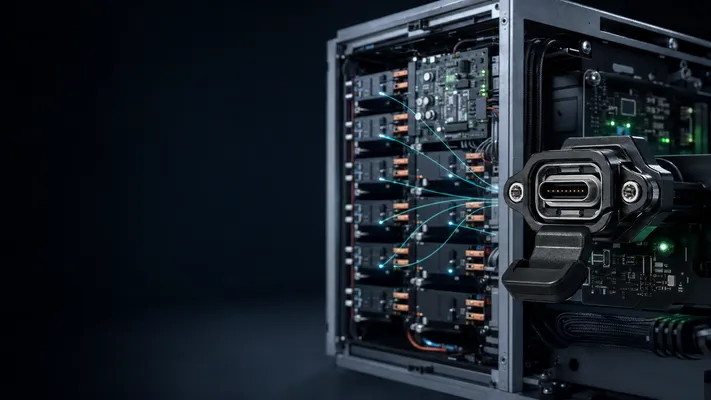
USB Connector for Energy Storage Systems: Battery Management and Monitoring Quick Summary Parameter Requirement Temperature range -30°C to +70°C (indoor BESS), -40°C to +85°C (outdoor container
Read More →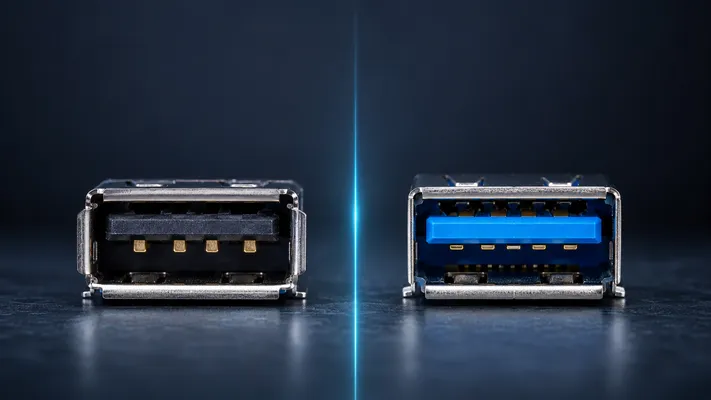
USB 2.0 vs USB 3.0 Connector: Physical Differences That Matter Quick Visual Guide Feature USB 2.0 Type-A USB 3.0 Type-A USB 2.0 Micro-B USB 3.0 Micro-B Internal plastic color Black or white Blu
Read More →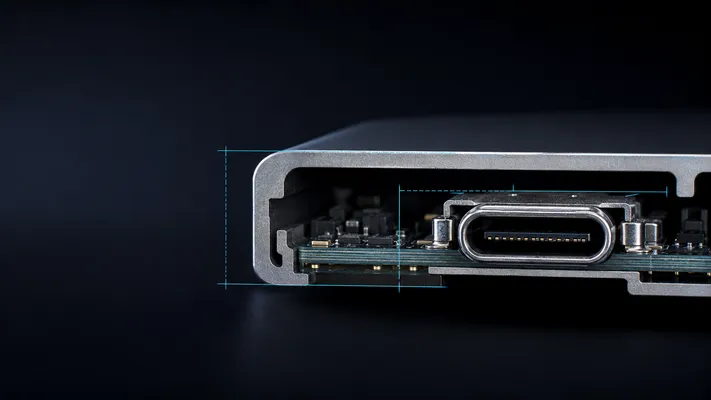
Low Profile & Short Body USB Connector: Compact Design Selection Quick Decision Matrix Connector Type Height Above PCB Body Length (mating face to rear) Saves vs Standard Best For Standard
Read More →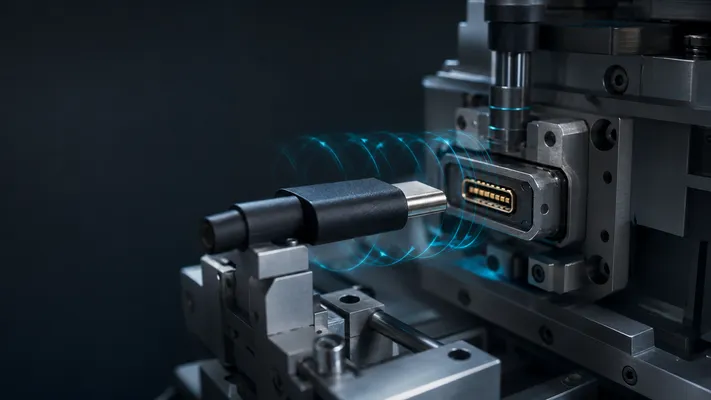
USB Connector Lifespan: Mating Cycles, Durability, and Wear Quick Reference USB Connector Type Typical Mating Cycles Real-World Lifespan USB 2.0 Type-A (standard) 1,500 Consumer device: 5–10 ye
Read More →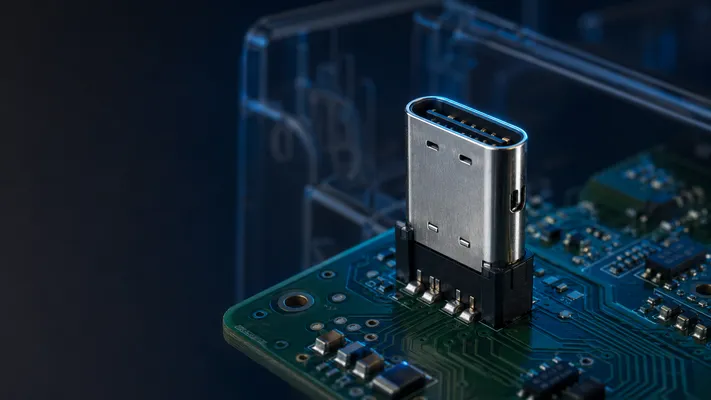
Vertical USB Type-C Connector: Upright Mount Selection Guide Quick Decision Matrix Orientation PCB Footprint Panel Access Best For Horizontal (standard) about 10–11 × 7–8mm, face parallel to PC
Read More →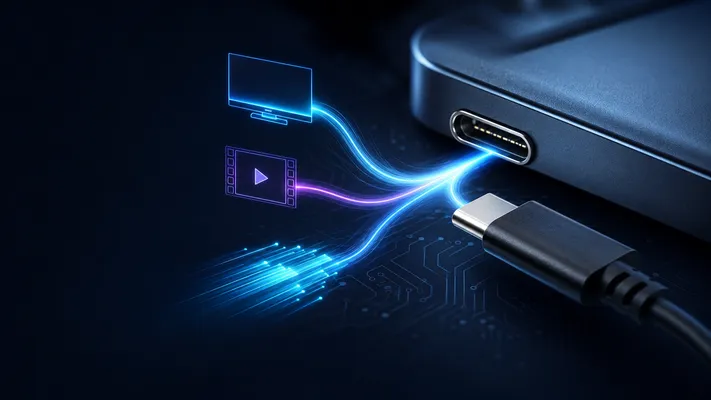
USB Type-C Alternate Mode Explained: DP, HDMI, Thunderbolt Over USB Quick Summary USB Type-C Alternate Mode lets a Type-C port carry selected non-USB protocols over the same high-speed pins. In practi
Read More →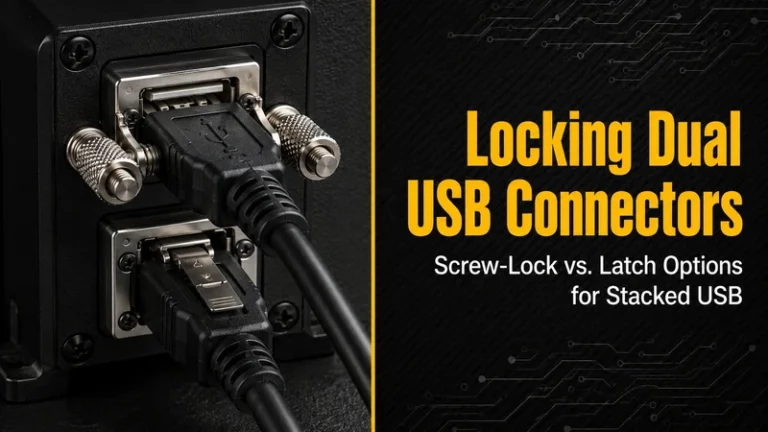
A standard USB cable is designed to be easy to remove. That is convenient on a desk, but it can be a problem in an industrial PC, a mobile medical cart, an outdoor gateway, or a railway cabinet. When...
Read More →