FEATURED ARTICLE
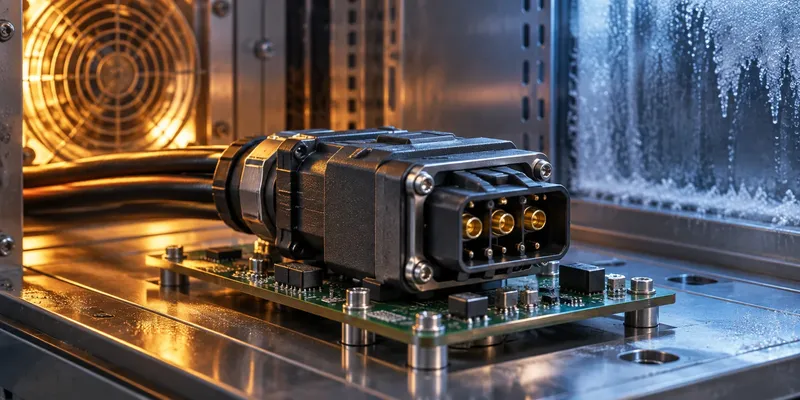
Connector Temperature Ratings: Derating and Material Limits
Understand connector operating temperature, current derating and solder-process limits, and learn which evidence to request before selecting a part.
Read More →
Expert insights, guides, and engineering resources to help you design reliable connections for any application.
Understand connector operating temperature, current derating and solder-process limits, and learn which evidence to request before selecting a part.
Read More →
Decode USB 3.x naming, compare 5, 10 and 20 Gbps implementations, and select the right connector, cable and test plan for a product design.
Read More →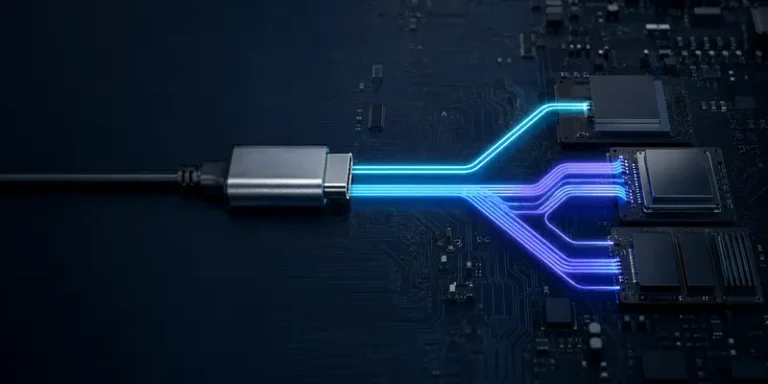
Compare USB 3.2 Gen 2×2 with USB4 at 20 and 40 Gbps by architecture, display and PCIe tunneling, compatibility, cable and product cost.
Read More →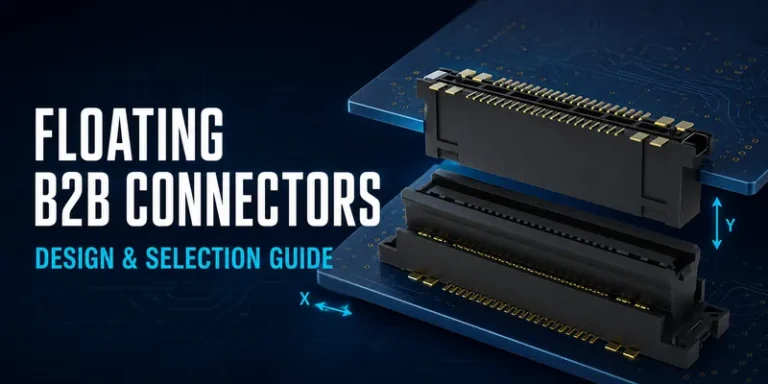
Learn what a floating board-to-board connector does, when it is preferable to a rigid B2B connector, and how to select pitch, travel, mating height, current capability, and validation tests.
Read More →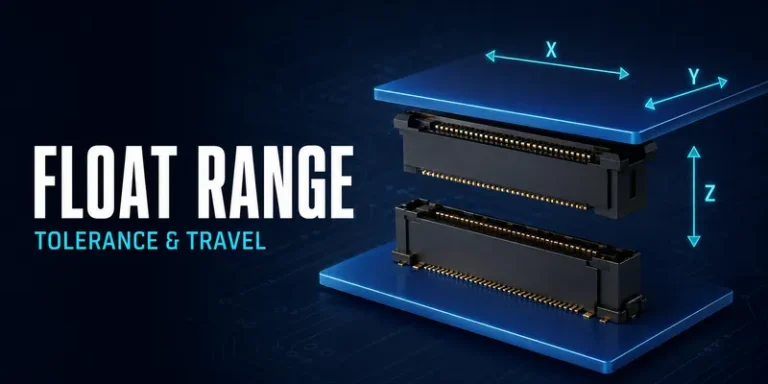
Select the right floating connector travel by calculating PCB placement error, connector position, board warp, thermal expansion, dynamic motion, and mating margin.
Read More →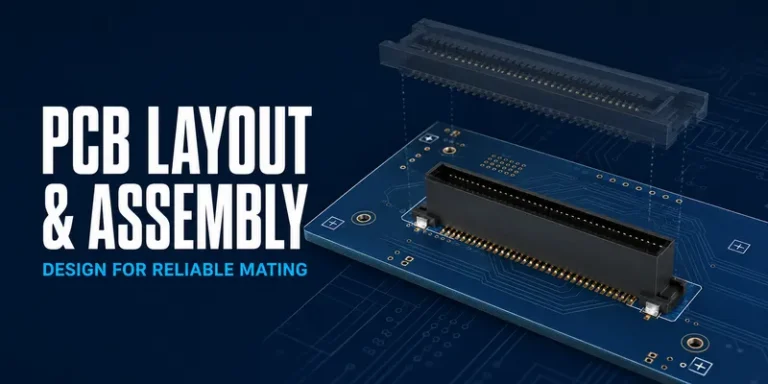
Design a reliable floating board-to-board connector interface with supplier-approved footprints, keep-outs, routing, stencil control, placement, reflow, inspection, and multi-connector mating checks.
Read More →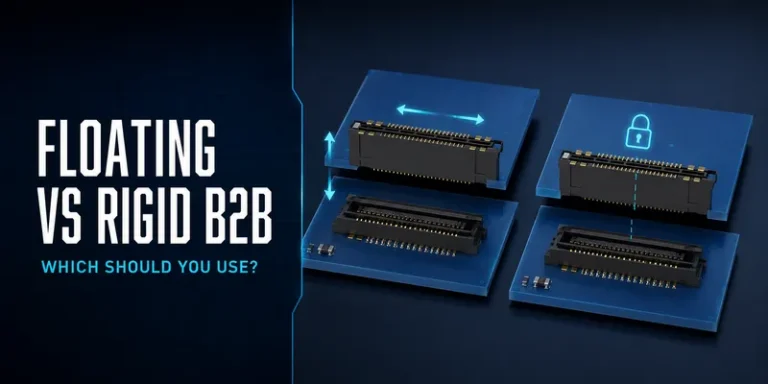
Compare floating and rigid board-to-board connectors by alignment tolerance, vibration, board movement, assembly, profile, cost, signal integrity, and validation requirements.
Read More →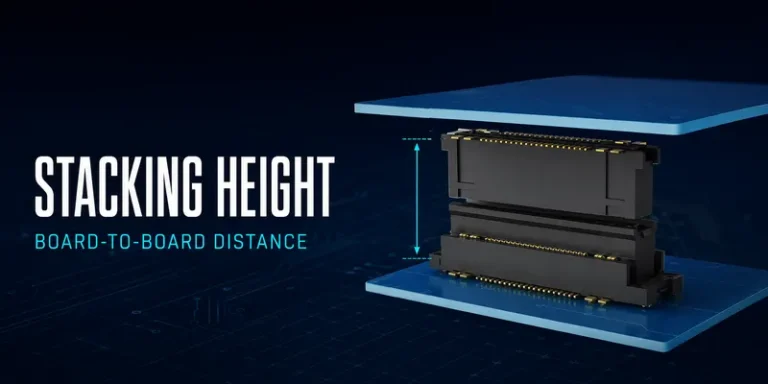
Select the correct floating B2B connector mated height by accounting for PCB surfaces, component envelopes, tolerance, board parallelism, Z compliance, standoffs, and service access.
Read More →
Choose a floating board-to-board connector pitch by balancing pin density, routing, current, signal integrity, assembly capability, inspection, and reliability.
Read More →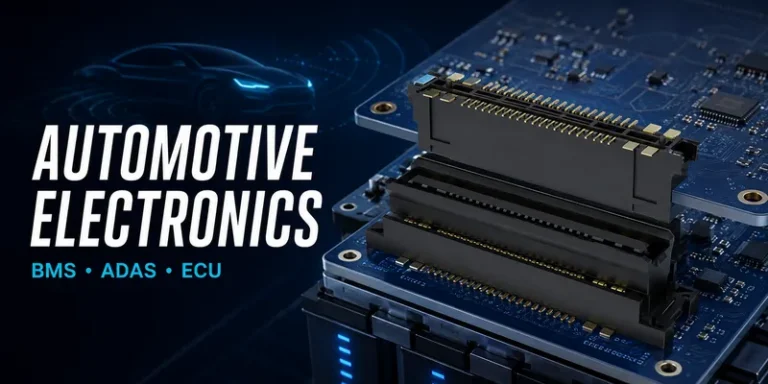
Apply floating board-to-board connectors in automotive BMS, ADAS, ECU, and domain-controller designs using automotive-relevant requirements, tolerance analysis, derating, and system-level validation.
Read More →