
FEATURED ARTICLE
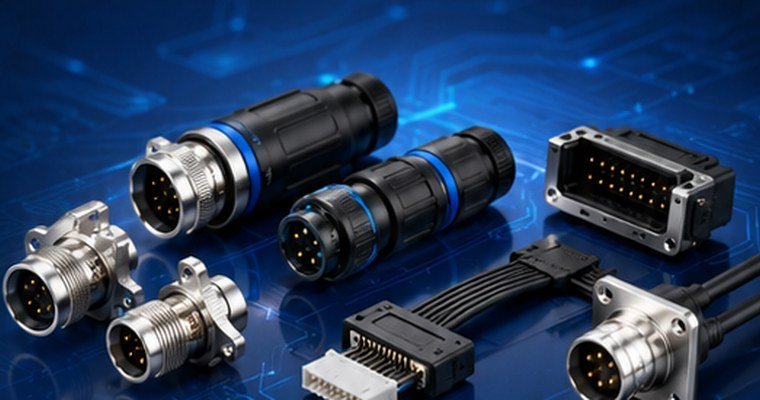
DC Jack Selection Guide: Barrel Sizes, Polarity and Current Rating
Barrel jack sizes, the 2.1 versus 2.5 mm trap, centre polarity conventions, switching contacts, and when USB-C PD is the better answer.
Read More →
Expert insights, guides, and engineering resources to help you design reliable connections for any application.
Barrel jack sizes, the 2.1 versus 2.5 mm trap, centre polarity conventions, switching contacts, and when USB-C PD is the better answer.
Read More →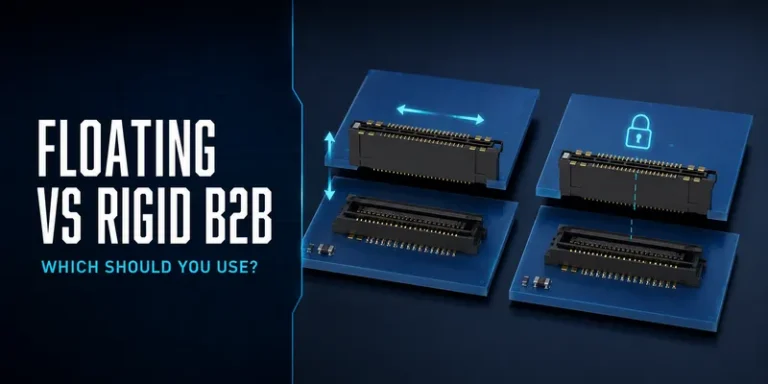
Compare floating and rigid board-to-board connectors by alignment tolerance, vibration, board movement, assembly, profile, cost, signal integrity, and validation requirements.
Read More →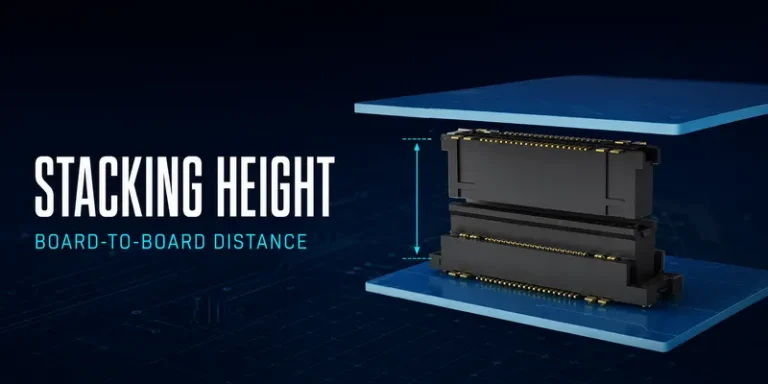
Select the correct floating B2B connector mated height by accounting for PCB surfaces, component envelopes, tolerance, board parallelism, Z compliance, standoffs, and service access.
Read More →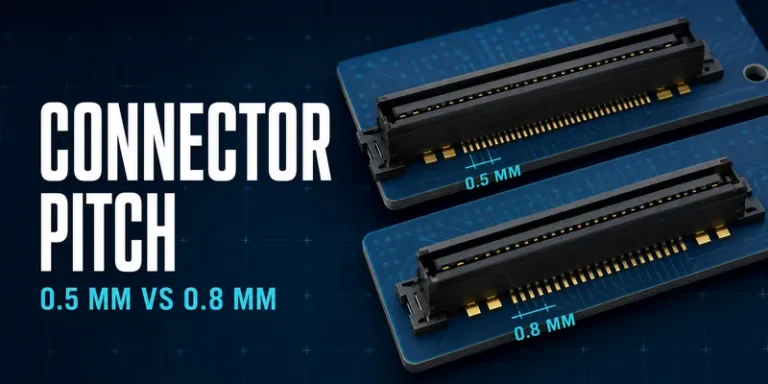
Choose a floating board-to-board connector pitch by balancing pin density, routing, current, signal integrity, assembly capability, inspection, and reliability.
Read More →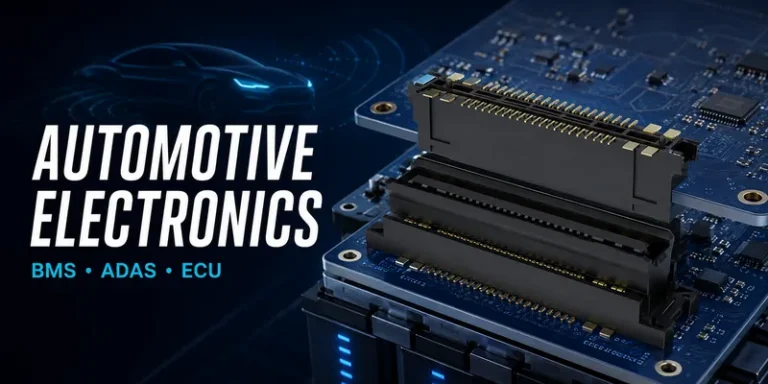
Apply floating board-to-board connectors in automotive BMS, ADAS, ECU, and domain-controller designs using automotive-relevant requirements, tolerance analysis, derating, and system-level validation.
Read More →
Design reliable floating board-to-board connector interfaces for robot controllers, servo drives, AGVs, AMRs, and factory automation using tolerance analysis, board support, signal integrity, and system validation.
Read More →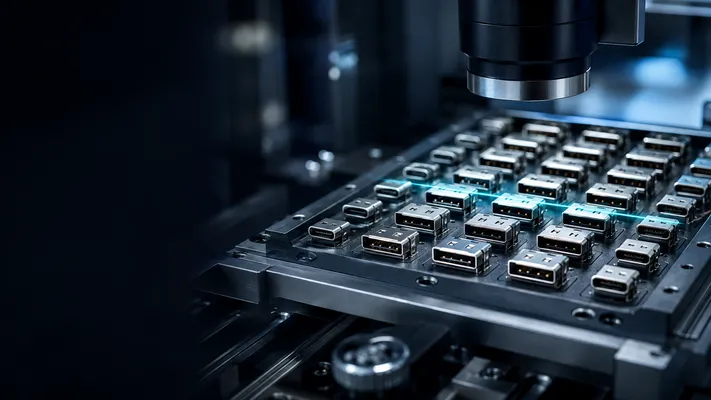
USB Connector Quality Control: Manufacturing Process and Inspection Standards Quick Overview Stage Method Sampling Pass Criteria Incoming material Visual + dimensional + XRF Per batch Within sp
Read More →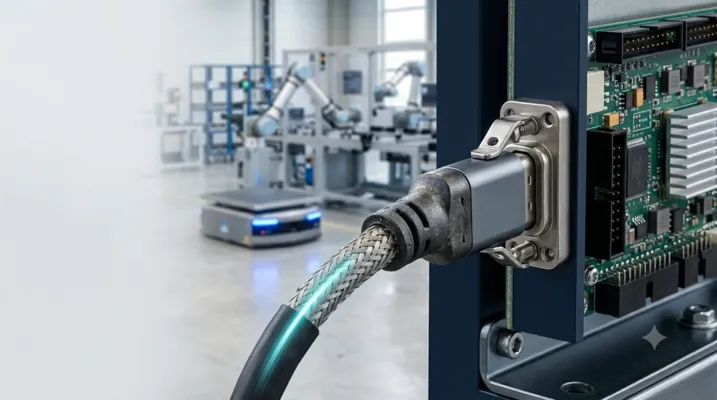
USB Connector for Robotics and Industrial Automation Quick Decision Matrix Robot Type USB Function Connector Key Requirement Industrial robot arm Teach pendant, vision camera Locking Type-A or
Read More →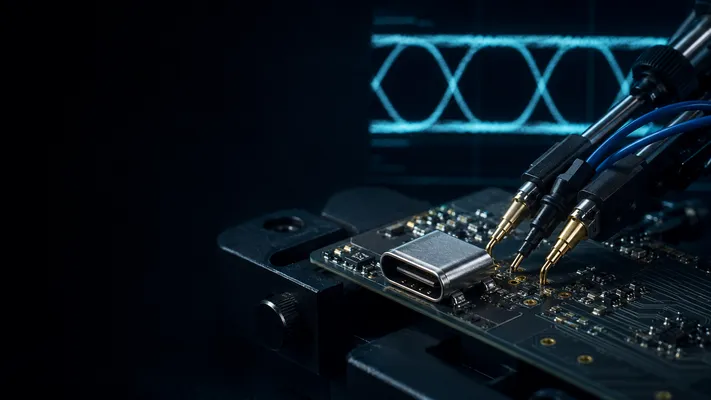
How to Test USB Connector: Continuity, Resistance, and Signal Checks Quick Test Reference What to Check Tool Expected Reading What It Means If Off Continuity (pin to pin) Multimeter (continuity
Read More →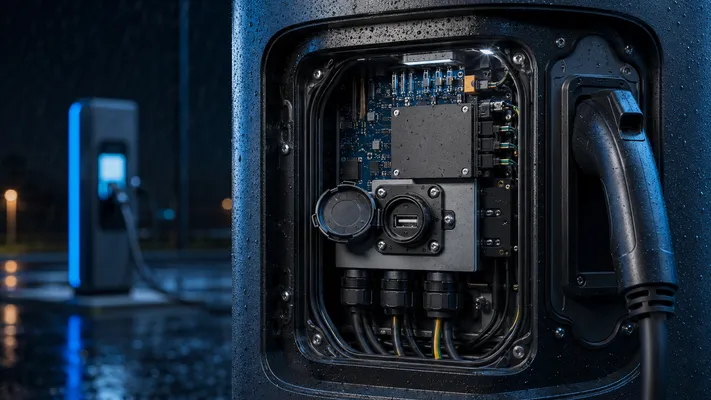
USB Connector for EV Charging: Design Requirements and Selection Quick Summary Parameter Requirement Temperature range -40°C to +85°C (charge point exterior), -40°C to +105°C (internal electron
Read More →