FEATURED ARTICLE
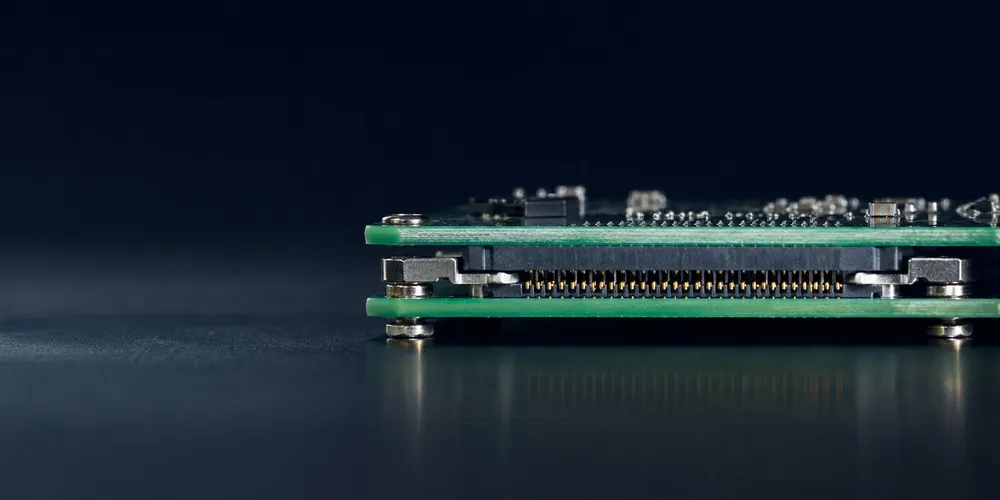
Low-Profile Board-to-Board Connectors: Stack-Height Selection Guide
Choose low-profile board-to-board connectors by mated height, tolerance, component clearance, signal integrity, reliability, and serviceability.
Read More →
Technical articles tagged B2B connector stacking height: selection guidance, design rules and field data for B2B connector stacking height connectors.
Choose low-profile board-to-board connectors by mated height, tolerance, component clearance, signal integrity, reliability, and serviceability.
Read More →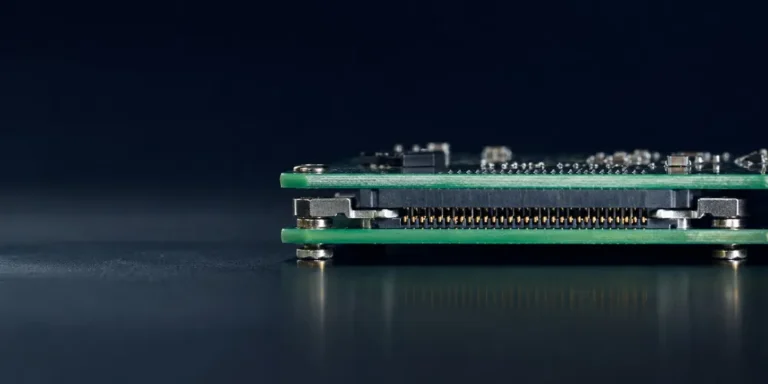
Choose low-profile board-to-board connectors by mated height, tolerance, component clearance, signal integrity, reliability, and serviceability.
Read More →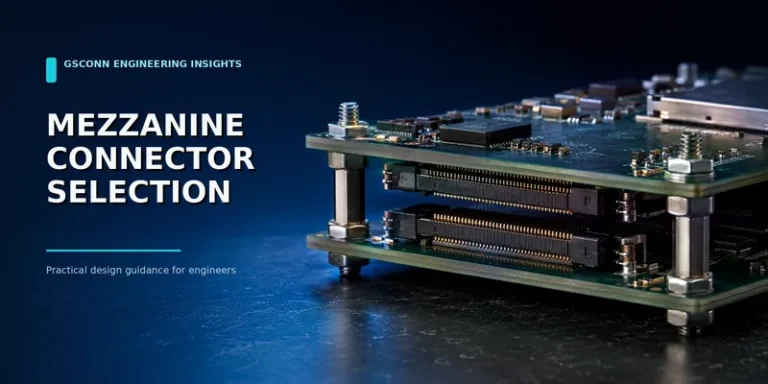
Mezzanine Connector Selection: Pitch, Stack Height and Alignment A mezzanine connector joins two parallel PCBs with a plug and receptacle. It can deliver high circuit density and a repeatable board-to-board distance in a much smaller volume than a conventional 2.54 mm header. That precision creates its own design constraints. Pitch, mated height, capture range, PCB […]
Read More →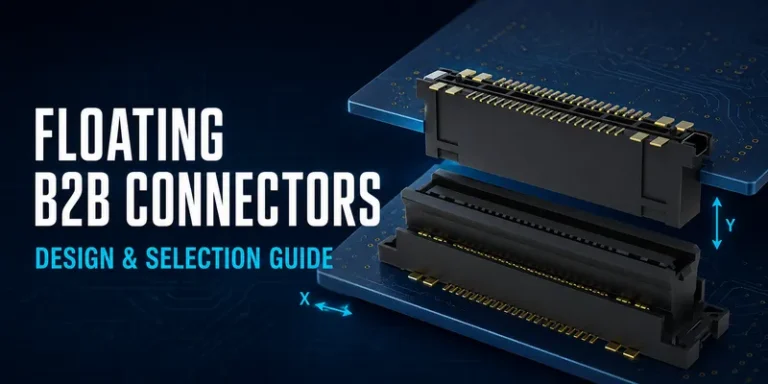
Learn what a floating board-to-board connector does, when it is preferable to a rigid B2B connector, and how to select pitch, travel, mating height, current capability, and validation tests.
Read More →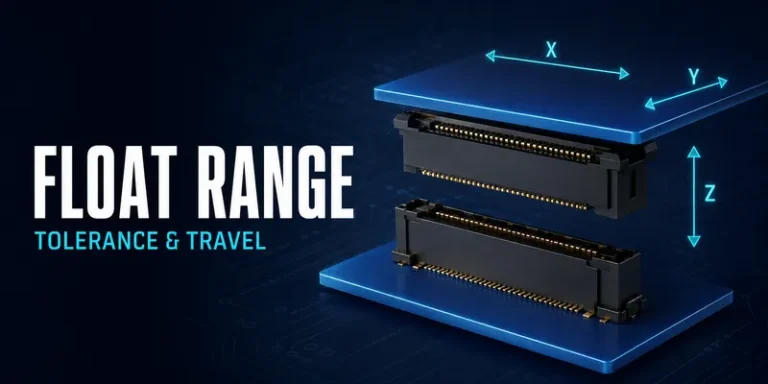
Select the right floating connector travel by calculating PCB placement error, connector position, board warp, thermal expansion, dynamic motion, and mating margin.
Read More →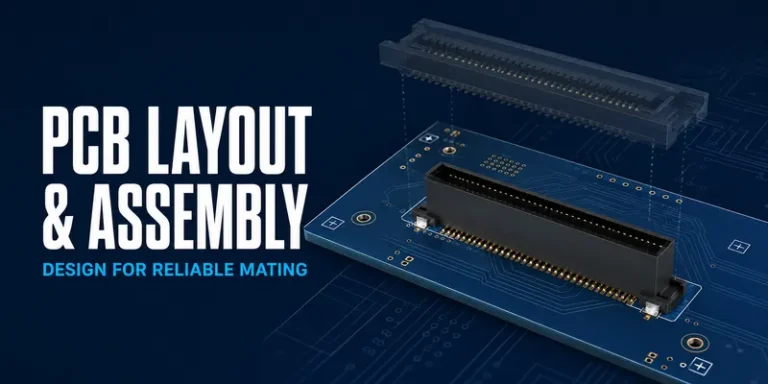
Design a reliable floating board-to-board connector interface with supplier-approved footprints, keep-outs, routing, stencil control, placement, reflow, inspection, and multi-connector mating checks.
Read More →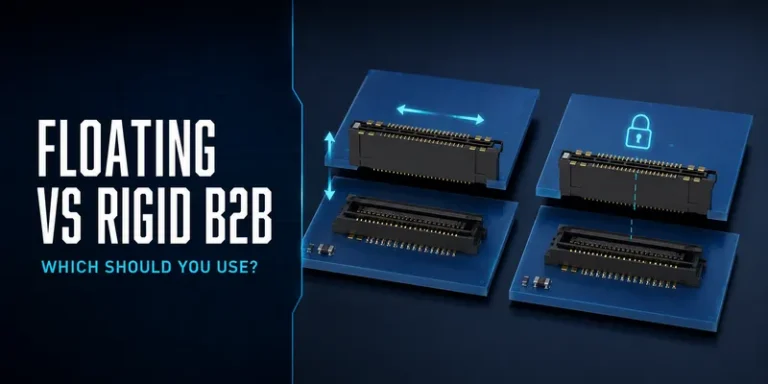
Compare floating and rigid board-to-board connectors by alignment tolerance, vibration, board movement, assembly, profile, cost, signal integrity, and validation requirements.
Read More →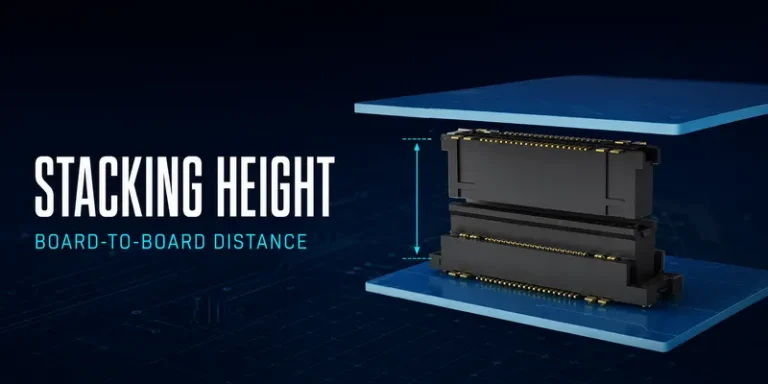
Select the correct floating B2B connector mated height by accounting for PCB surfaces, component envelopes, tolerance, board parallelism, Z compliance, standoffs, and service access.
Read More →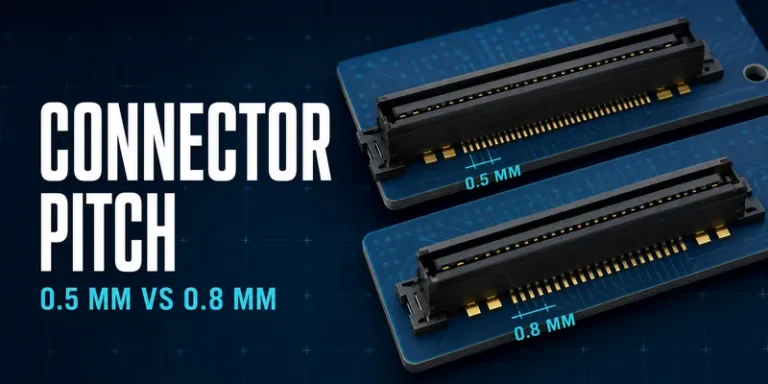
Choose a floating board-to-board connector pitch by balancing pin density, routing, current, signal integrity, assembly capability, inspection, and reliability.
Read More →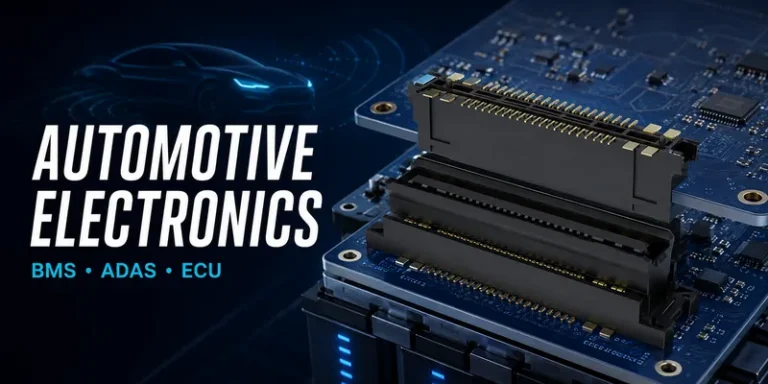
Apply floating board-to-board connectors in automotive BMS, ADAS, ECU, and domain-controller designs using automotive-relevant requirements, tolerance analysis, derating, and system-level validation.
Read More →