board-to-board Articles

Technical articles tagged board-to-board: selection guidance, design rules and field data for board-to-board connectors.

FEATURED ARTICLE

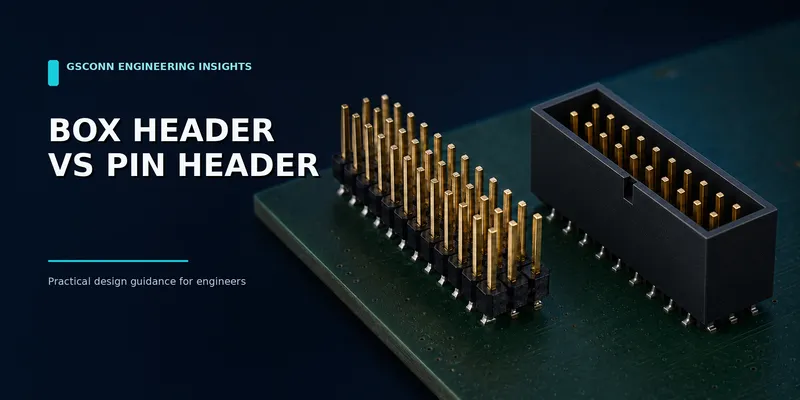
Box Header vs Pin Header: When a Shrouded Connector Is Worth It

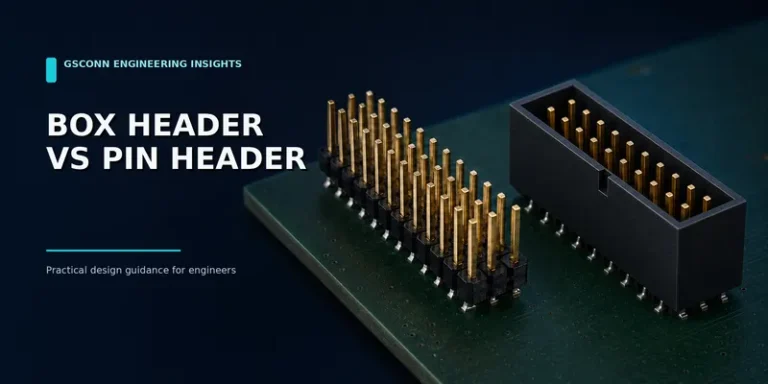
Box Header vs Pin Header: When a Shrouded Connector Is Worth It A box header is essentially a pin array surrounded by a molded shroud. That extra housing increases footprint and cost, but it can also protect contacts, guide mating, support polarization and provide a latch. The right choice depends less on the electrical schematic […]

Read More →
board-to-board Articles

Connector Basics

Box Header vs Pin Header: When a Shrouded Connector Is Worth It

Box Header vs Pin Header: When a Shrouded Connector Is Worth It A box header is essentially a pin array surrounded by a molded shroud. That extra housing increases footprint and cost, but it can also protect contacts, guide mating, support polarization and provide a latch. The right choice depends less on the electrical schematic […]

Read More →
Connector Basics

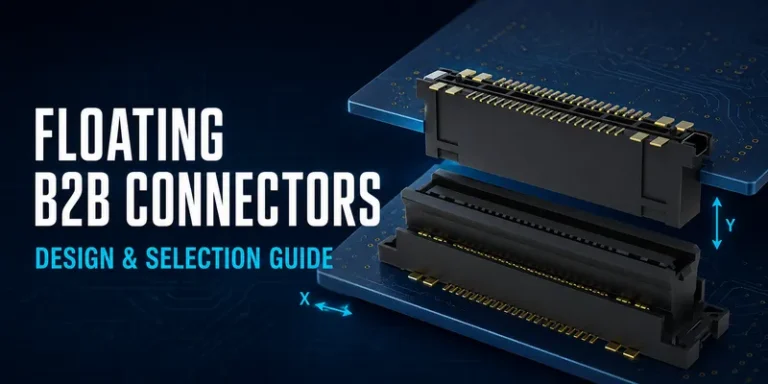
Board-to-Board Connector Selection Guide: A Practical Engineering Workflow

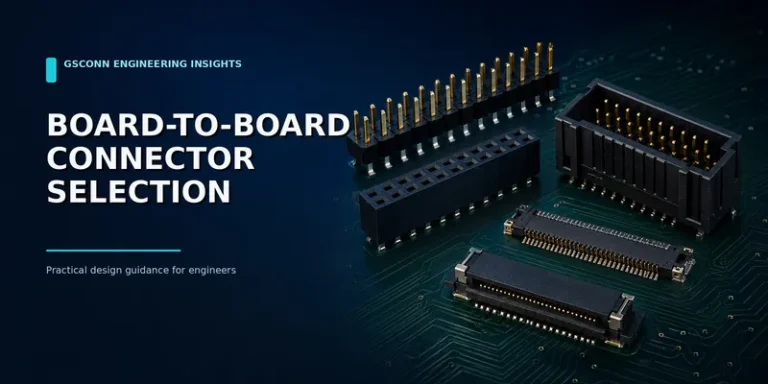
Board-to-Board Connector Selection Guide: A Practical Engineering Workflow Choosing a board-to-board (B2B) connector is not simply a matter of matching pitch and pin count. The connector also defines board spacing, assembly tolerance, serviceability, signal integrity, current density and, often, the mechanical architecture of the enclosure. This guide turns those requirements into a practical selection workflow. […]

Read More →
Connector Basics

Board-to-Board Connector Mating Cycles: Durability and Life Expectancy

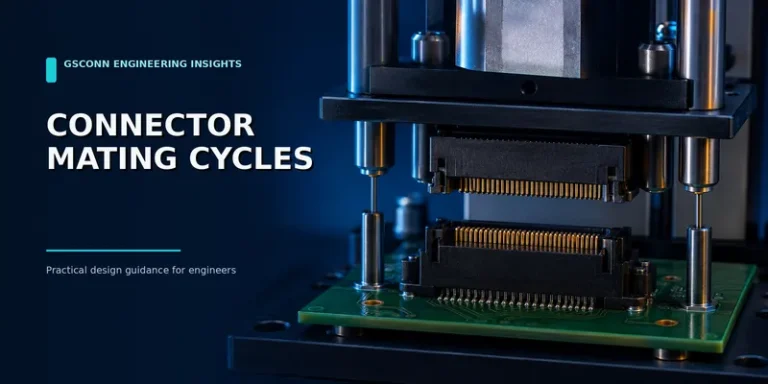
Board-to-Board Connector Mating Cycles: Durability and Life Expectancy A mating-cycle rating states how many complete insertions and withdrawals a connector has passed under defined test conditions. It does not guarantee the same life in a dusty service bay, a vibrating vehicle or a misaligned test fixture. The useful engineering question is not simply “How many […]

Read More →
Connector Basics

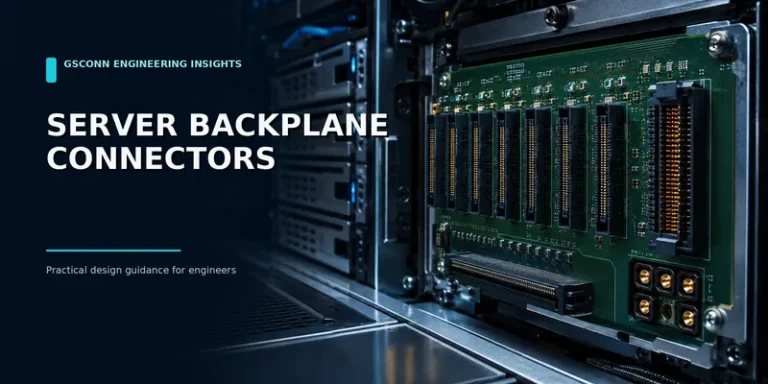
Server Backplane Connector Selection for Data Center Hardware

Server Backplane Connector Selection for Data Center Hardware A server “backplane connector” can refer to several different interfaces: the drive-facing connector, a high-speed cable connection, a controller-to-backplane board connector, an OCP NIC interface or a power-distribution connector. Treating all of them as generic board-to-board connectors creates electrical and mechanical risk. Each location has a different […]

Read More →
Connector Basics

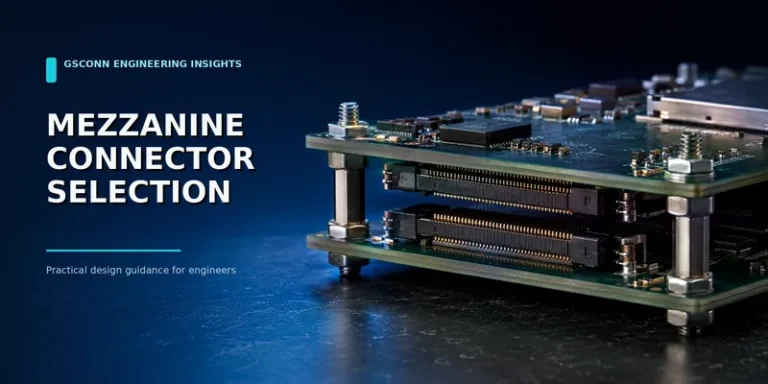
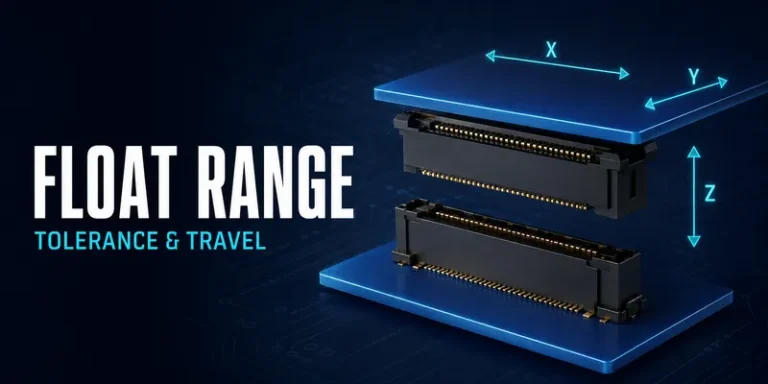
Mezzanine Connector Selection: Pitch, Stack Height and Alignment

Mezzanine Connector Selection: Pitch, Stack Height and Alignment A mezzanine connector joins two parallel PCBs with a plug and receptacle. It can deliver high circuit density and a repeatable board-to-board distance in a much smaller volume than a conventional 2.54 mm header. That precision creates its own design constraints. Pitch, mated height, capture range, PCB […]

Read More →
Connector Basics

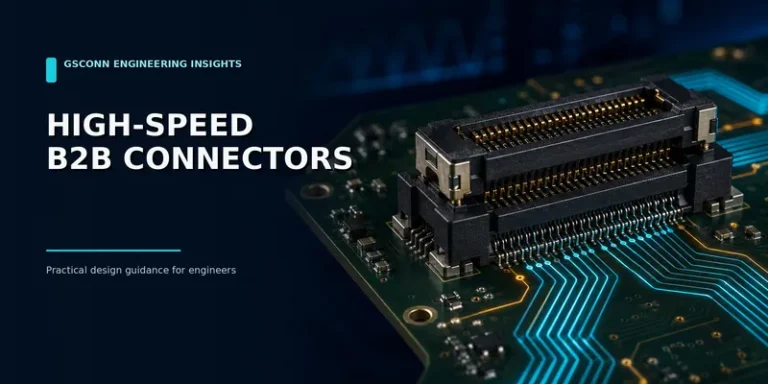
High-Speed Board-to-Board Connector Design Guide

High-Speed Board-to-Board Connector Design Guide A connector does not become “high-speed” because it has fine pitch. High-speed performance comes from a controlled contact/ground architecture, a repeatable PCB launch and measured channel data. The correct selection process starts with the interface and channel budget, then evaluates the connector’s S-parameters, pin map, stack height and breakout geometry. […]

Read More →
Connector Basics

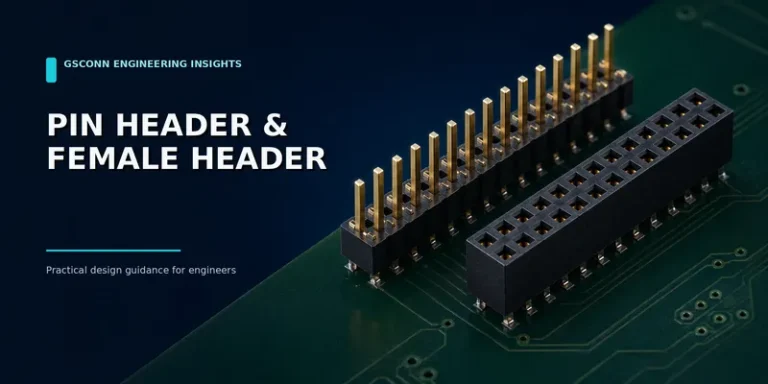
Pin Header and Female Header Connectors: A Complete Design Guide

Pin Header and Female Header Connectors: A Complete Design Guide Pin headers and female headers are among the simplest PCB interconnects, but small specification differences can determine whether the final assembly fits, carries the required current and survives repeated service. This guide explains the parameters that belong on a drawing or RFQ: pitch, circuit count, […]

Read More →