

FEATURED ARTICLE
Connector Temperature Ratings: Derating and Material Limits
Understand connector operating temperature, current derating and solder-process limits, and learn which evidence to request before selecting a part.
Read More →
Expert insights, guides, and engineering resources to help you design reliable connections for any application.
Understand connector operating temperature, current derating and solder-process limits, and learn which evidence to request before selecting a part.
Read More →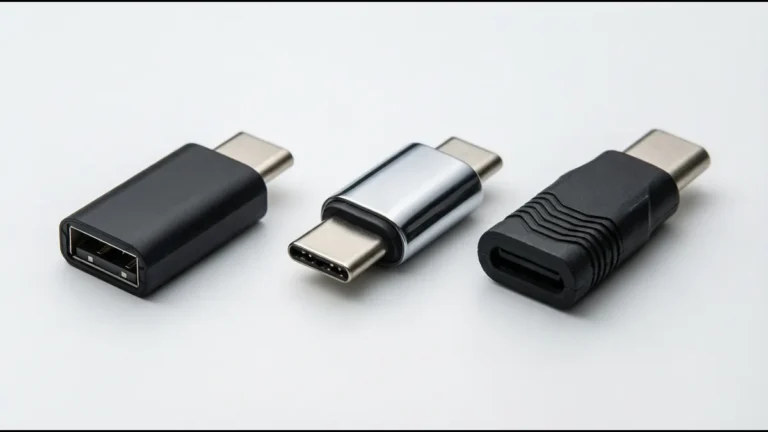
USB 3.2 Gen 1 vs Gen 2 vs Gen 2x2 compared. Learn data rates, connector types, cable requirements, naming history, and how to identify your port's speed.
Read More →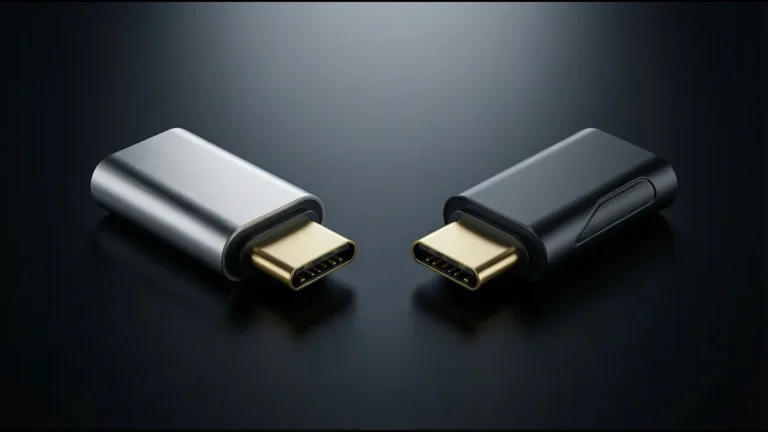
USB4 vs Thunderbolt 4 differences at the connector, protocol, and certification level. Compare speeds, power delivery, cable requirements, and compatibility.
Read More →
Understand USB connector signal integrity specs: differential impedance, insertion loss, crosstalk, mating cycles, current rating, and EMI shielding explained.
Read More →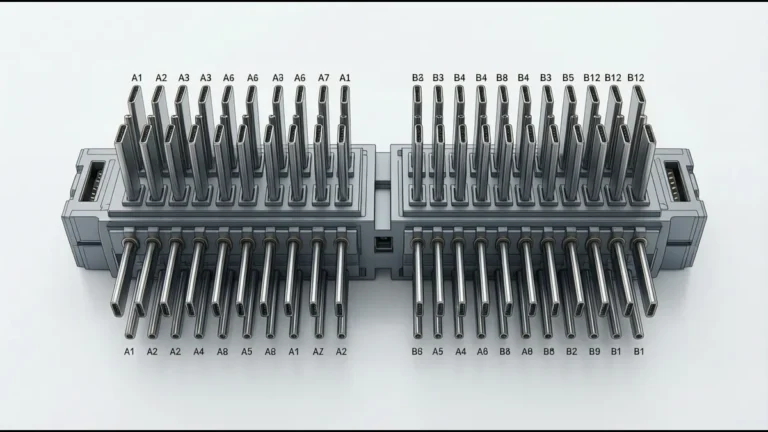
Complete USB Type-C pinout reference with full 24-pin layout, wiring diagrams, CC pin logic, power delivery, and Alt Mode explained for engineers.
Read More →
"Wire-to-Board or Board-to-Board? A practical decision guide for engineers — when each makes sense, how to compare them, and what to spec in your next RFQ."
Read More →
"UL Listed vs cULus vs UR vs cUR — what each certification really means for terminal blocks shipped to the US and Canada. Avoid customs holds and OEM rejections."
Read More →
Understand IP ratings and how they affect connector reliability.
Read More →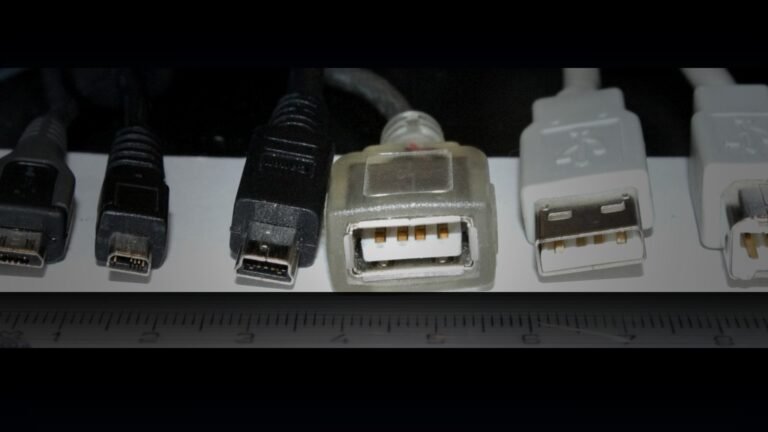
If you've ever opened up a desktop PC, a medical monitor, or an industrial control panel and noticed two USB ports stacked vertically on the same connector body — that's a stacked USB connector. It's
Read More →
An unpowered USB hub works for low-power devices but fails with hard drives, charging, or 4+ peripherals. A powered USB hub is the only reliable choice when current draw exceeds the host port's 500–900mA budget.
Read More →